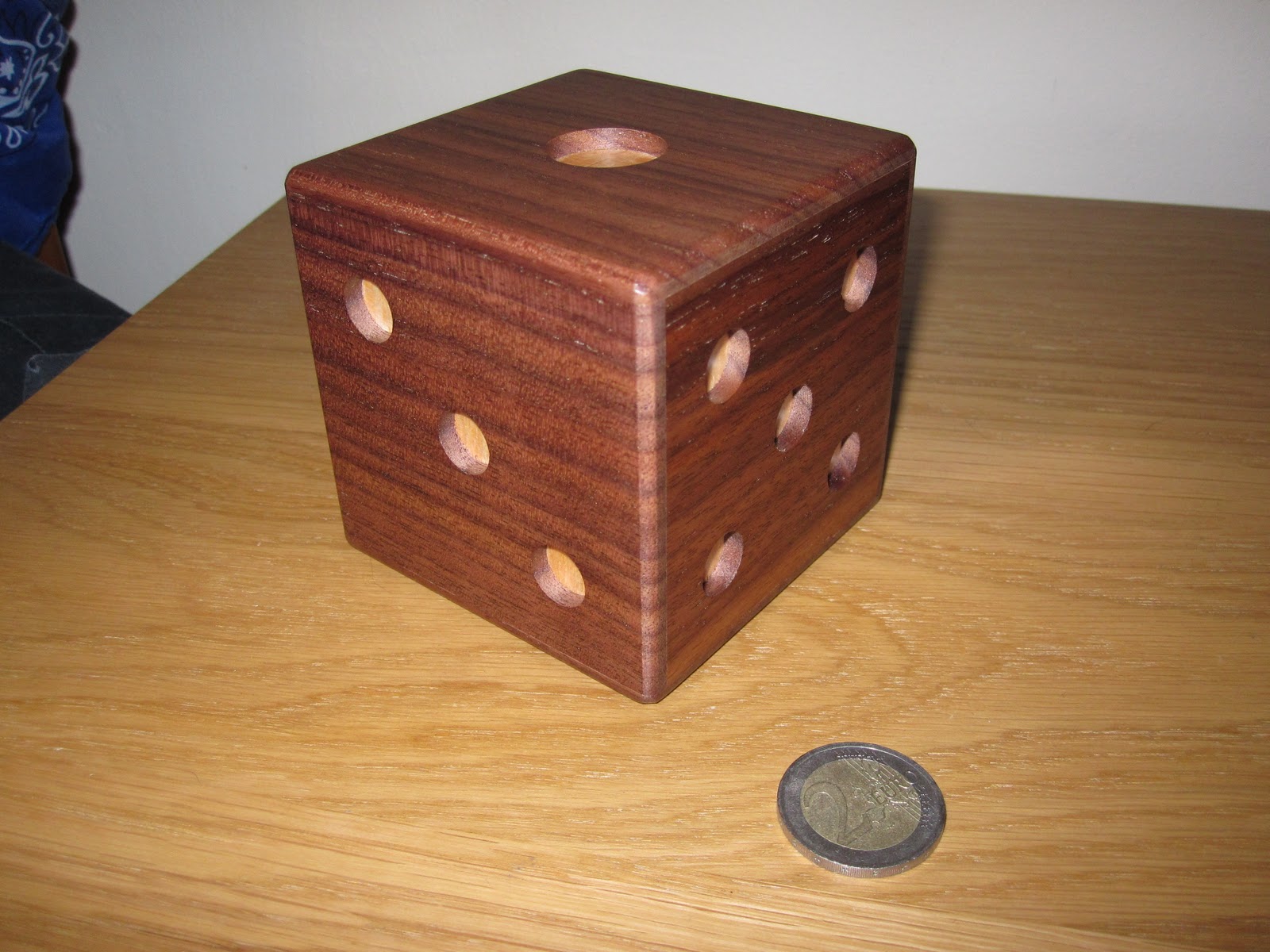
A puzzle magic box, with its intricate mechanisms and captivating secret compartments, is a testament to the ingenuity and artistry of woodworking. It transcends a mere container and transforms into an engaging enigma, enticing the user to unravel its hidden depths. This comprehensive guide delves into the intricacies of crafting a puzzle magic box, from conceptualization to finishing touches, providing a step-by-step roadmap for both beginners and seasoned woodworkers.
I. Conceptualization: The Blueprint of Imagination
The journey begins with the genesis of the puzzle magic box. Imagine a story, a theme, a secret to be concealed, and allow it to shape the design. The box could be a miniature treasure chest guarding a precious gemstone, a time capsule revealing a forgotten memory, or a mystical gateway revealing a hidden world.
A. Theme and Functionality:
- Theme: Choose a theme that resonates with you, whether it's a historical era, a fantastical realm, or a specific character.
- Functionality: Determine the primary function of the box. Will it primarily serve as a decorative piece, a functional storage unit, or a secret compartment for hiding treasures?
- Target Audience: Consider the age and skill level of the intended user. Younger users might benefit from simpler puzzles, while experienced puzzle enthusiasts would appreciate more intricate mechanisms.
B. Puzzle Elements:
- Sliding Panels: Incorporate sliding panels that reveal hidden compartments, requiring the user to manipulate the box's exterior.
- Rotating Discs: Introduce rotating discs with markings or symbols that need to be aligned correctly to unlock hidden compartments.
- Secret Compartments: Design intricate compartments and drawers that require specific sequences or keystrokes to open.
- Hidden Locks: Implement hidden locks or latch mechanisms that require the user to decipher a code or pattern.
C. Visual Design:
- Shape and Size: Determine the box's shape and dimensions based on its intended purpose and aesthetic appeal.
- Materials: Select appropriate wood species based on their durability, grain patterns, and workability. Consider utilizing contrasting wood species for visual appeal.
- Decorative Elements: Integrate decorative elements such as inlays, carvings, or paint to enhance the box's visual appeal and support the chosen theme.
II. Material Selection and Preparation
The foundation of any woodworking project lies in the quality of materials used. Select high-quality wood that is free from defects and is appropriate for the intended design.
A. Wood Species:
- Hardwoods: For a sturdy and durable box, opt for hardwoods like oak, maple, cherry, or walnut.
- Softwoods: For a lighter box with a softer feel, consider pine, cedar, or redwood.
- Exotic Woods: Introduce a touch of elegance and unique grain patterns with exotic woods like mahogany, rosewood, or ebony.
B. Tools and Equipment:
- Hand Tools: A comprehensive set of hand tools is essential for accurate cutting, shaping, and assembly. This includes saws, chisels, planes, hammers, screwdrivers, and clamps.
- Power Tools: Power tools like a drill press, jigsaw, router, and sander will enhance efficiency and precision.
- Safety Gear: Prioritize safety by utilizing eye protection, hearing protection, and dust masks.
C. Material Preparation:
- Cutting and Sizing: Precisely cut and shape the wood pieces according to the design blueprint. Use a saw for straight cuts, a jigsaw for curved cuts, and a router for detailed edging.
- Sanding: Smooth all surfaces using various grit sandpaper to achieve a uniform finish. Start with coarse grit for rough sanding and progressively refine with finer grit.
- Jointing: If necessary, use a jointer to ensure the wood surfaces are flat and parallel for precise joints.
III. Construction: Building the Box's Framework
The construction phase involves assembling the box's framework and implementing the puzzle elements. This is where meticulous planning and craftsmanship converge to bring the design to life.
A. Choosing Joints:
- Dado Joints: Strong and precise, dado joints offer excellent stability for box construction.
- Rabbet Joints: These joints are ideal for creating hidden compartments or sliding panels.
- Miter Joints: Used for creating decorative edges, miter joints require precise cuts for a seamless finish.
- Tongue and Groove Joints: These joints are perfect for creating panels that interlock and create a strong bond.
B. Assembly:
- Dry Fitting: Always dry fit the pieces before applying glue to ensure a proper fit and prevent any errors.
- Glue Application: Use wood glue sparingly and apply it evenly to the joint surfaces.
- Clamping: Securely clamp the pieces together until the glue dries completely, ensuring even pressure and alignment.
C. Integrating Puzzle Elements:
- Sliding Panels: Cut dado grooves or rabbets for the panels to slide smoothly and securely.
- Rotating Discs: Create circular grooves or housings for the discs to rotate freely within the box.
- Secret Compartments: Design and construct hidden compartments that can be accessed via the puzzle mechanisms.
- Hidden Locks: Integrate hidden latches or keyhole mechanisms that are concealed and require a specific sequence to unlock.
IV. Finishing Touches: Bringing the Box to Life
Once the box is assembled and the puzzle elements are integrated, the final finishing touches will transform the piece from a functional object to a captivating masterpiece.
A. Sanding and Refinishing:
- Sanding: Sand the entire box using progressively finer grit sandpaper to achieve a smooth and polished surface.
- Filling Gaps: Fill any imperfections or gaps with wood filler, sanding smooth after drying.
B. Staining and Finishing:
- Staining: Apply wood stains to enhance the natural wood color or create a specific color palette.
- Finishing: Protect the wood with a suitable finish, such as oil, varnish, or wax, to create a durable and water-resistant barrier.
C. Decorative Elements:
- Inlays: Integrate inlays of contrasting wood species, metal, or stone to create intricate patterns and enhance visual appeal.
- Carving: Add decorative elements like carvings, using carving tools to create intricate designs or symbolic representations.
- Painting: Apply paint to the box to create a specific theme or enhance its visual appeal.
V. Testing and Refining:
Finally, it's time to put your puzzle magic box to the test. Play with the mechanisms, identify any areas needing improvement, and refine the design to ensure a smooth and engaging user experience.
A. Functionality Testing:
- Opening and Closing Mechanisms: Ensure all puzzle elements function smoothly and consistently.
- Securing and Locking Mechanisms: Test the strength and security of all locking mechanisms.
B. Refinement and Iteration:
- Fine-tuning: Adjust any elements that require improvement, ensuring a smooth and engaging puzzle experience.
- Iteration: Based on feedback and testing, consider making further modifications to enhance the box's overall design and functionality.
VI. The Final Touch: Unveiling the Mystery
The completed puzzle magic box is more than just a wooden creation; it's a story waiting to be told. It's a challenge to be solved, a secret to be unveiled.
A. The Unveiling:
- Presentation: Present the box in a captivating manner, adding to the mystique and allure.
- The Moment of Revelation: Allow the intended user to unravel the secrets of the box, experiencing the joy of discovery and the satisfaction of solving the puzzle.
B. Legacy and Inspiration:
- A Testament to Craftsmanship: The puzzle magic box stands as a testament to your skills and dedication to woodworking.
- Inspiration for Others: Share your creation, inspire others to embark on their own woodworking journeys, and foster a love for the art of crafting.
Conclusion:
Crafting a puzzle magic box is an enriching journey that combines woodworking skills, creativity, and problem-solving abilities. From conceptualization to final touches, every step contributes to the box's unique charm and intricate functionality. The experience is not just about building a box; it's about creating a story, a challenge, and a lasting memory.


0 comments:
Post a Comment
Note: Only a member of this blog may post a comment.