Wednesday, November 20, 2024

How to Craft Wooden Jewelry Boxes for Gifts and Special Occasions

How to Craft Wooden Jewelry Boxes for Gifts and Special Occasions

Crafting Wooden Jewelry Boxes for Gifts and Special Occasions

A handcrafted wooden jewelry box is a timeless and thoughtful gift that speaks volumes about your care and consideration. Whether you're celebrating a birthday, wedding, or any special occasion, a personalized wooden box adds a touch of elegance and practicality to any recipient's life. This article will guide you through the process of crafting beautiful and functional jewelry boxes, empowering you to create unique gifts that will be cherished for years to come.

Choosing the Right Wood

The heart of any wooden jewelry box lies in the wood you select. Consider the following factors when choosing the perfect wood for your project:

Wood Type:

Many wood species are suitable for jewelry boxes. Here are a few popular choices:

  • Cherry: Known for its rich reddish-brown color and beautiful grain patterns.
  • Walnut: Renowned for its distinctive dark brown color and intricate grain patterns.
  • Maple: Offers a lighter, warm hue with a fine grain, providing a clean and elegant look.
  • Oak: Strong and durable, with a distinctive grain and a warm, golden color.
  • Pine: An affordable option with a soft texture and a warm, yellowish hue.

Wood Properties:

Consider the following properties of the wood you choose:

  • Hardness: Hardwoods like oak and maple are durable and resist scratches and dents. Softer woods like pine are easier to carve but may require extra care.
  • Grain: The grain pattern adds visual interest and character to the box. Choose wood with a grain that complements your design.
  • Color: Select a wood color that suits the intended recipient's style and the occasion.

Wood Availability:

Ensure the wood you choose is readily available in your area. Local lumberyards and online retailers offer a wide selection of wood species.

Essential Tools and Materials

Before embarking on your jewelry box project, gather the necessary tools and materials:

Tools:

  • Table Saw or Jigsaw: For cutting wood to size.
  • Hand Saw or Miter Saw: For precise cuts and mitering.
  • Router: For creating decorative edges and details.
  • Drill: For drilling pilot holes and assembling the box.
  • Sandpaper: For smoothing surfaces and edges.
  • Clamps: For holding pieces together during assembly.
  • Measuring Tape and Ruler: For accurate measurements.
  • Pencil or Pen: For marking wood.

Materials:

  • Wood: Chosen based on your design and preference.
  • Wood Glue: For bonding wood pieces.
  • Wood Finish: A stain, paint, or sealant of your choice to enhance the wood's natural beauty or add color.
  • Hardware: Hinges, clasps, drawer slides (if applicable), and decorative accents.
  • Felt or Velvet Lining: For a soft and luxurious interior.

Designing Your Jewelry Box

The design of your jewelry box is crucial to its beauty and functionality. Consider the following aspects:

Shape and Size:

Choose a shape that suits the intended jewelry and the recipient's preference. Common shapes include rectangular, square, round, and octagonal. The size should be appropriate for the jewelry it will hold.

Dividers and Compartments:

Incorporate dividers and compartments to organize and protect different jewelry pieces. Consider separate sections for rings, necklaces, bracelets, and earrings.

Lid and Hinge Style:

Select a lid style that complements the overall design. Hinges can be simple or elaborate, depending on your preference.

Decorative Features:

Add decorative features to personalize the box. Carving, inlays, or decorative hardware can enhance its aesthetic appeal.

Construction Steps

Once you have a design, you can begin building your jewelry box. Here's a general outline of the steps:

Step 1: Cut the Wood

Using your table saw or jigsaw, cut the wood pieces to the desired size according to your design. Ensure all cuts are precise and square.

Step 2: Assemble the Box

Join the side panels, bottom, and top together using wood glue. Secure the pieces with clamps until the glue dries. If necessary, drill pilot holes before driving screws for added strength.

Step 3: Attach the Lid

Cut and attach the lid using hinges. Ensure the hinge placement allows the lid to open smoothly and securely.

Step 4: Install Dividers and Compartments

If you're incorporating dividers and compartments, cut them to size and install them within the box using wood glue or screws.

Step 5: Sand the Box

Smooth all surfaces and edges using sandpaper. Start with coarser grit sandpaper and gradually work your way to finer grits for a smooth finish.

Step 6: Apply Wood Finish

Apply a stain, paint, or sealant of your choice to enhance the wood's appearance. Follow the manufacturer's instructions for proper application.

Step 7: Install Hardware

Attach any decorative hardware, such as clasps, handles, or accents. Ensure the hardware is securely installed and complements the design.

Step 8: Line the Interior

Line the interior of the box with felt or velvet for a luxurious feel and to protect jewelry. Cut the lining material to size and attach it using glue or tacks.

Personalization and Decoration

To create a truly unique and meaningful gift, consider adding personal touches to your jewelry box:

Engraving:

Engrave the recipient's name, initials, or a special message on the box. This adds a personal touch and makes the gift even more special.

Inlays:

Incorporate decorative inlays of different woods, mother-of-pearl, or other materials to create intricate patterns and designs.

Painting and Staining:

Use paints and stains to create custom colors and patterns that reflect the recipient's taste and the occasion.

Decorative Hardware:

Select unique clasps, handles, and decorative accents that enhance the aesthetic appeal of the box.

Tips for Success

Here are some tips to help you craft stunning wooden jewelry boxes:

  • Plan and Design Carefully: Spend time planning your design and creating detailed sketches to ensure a successful outcome.
  • Use High-Quality Materials: Choose durable and aesthetically pleasing wood, hardware, and finishes to ensure longevity and visual appeal.
  • Pay Attention to Detail: Be meticulous in your measurements, cuts, and sanding to create a professional-looking box.
  • Practice Safe Techniques: Always use proper safety gear, such as eye protection and dust masks, when working with woodworking tools.
  • Seek Inspiration: Browse online and in woodworking books for inspiration and ideas for your jewelry box design.

Conclusion

Crafting wooden jewelry boxes is a rewarding and fulfilling experience. By following these guidelines, you can create personalized and beautiful gifts that will be treasured for years to come. Whether you're a seasoned woodworker or a novice, the process of crafting a wooden jewelry box is an excellent way to express your creativity and create a truly unique and meaningful present.

Tuesday, November 19, 2024

How to Craft Elegant Wood Serving Trays for Your Next Sale

How to Craft Elegant Wood Serving Trays for Your Next Sale

Crafting Elegant Wood Serving Trays for Your Next Sale

In the realm of artisanal craftsmanship, wood serving trays have long held a cherished place, embodying both functional utility and aesthetic allure. These handcrafted pieces elevate everyday dining experiences, adding a touch of sophistication to any gathering. Whether you're an experienced woodworker or a novice eager to explore new creative avenues, crafting elegant wood serving trays for sale presents a rewarding endeavor.

This comprehensive guide will delve into the intricacies of crafting exquisite wood serving trays, encompassing essential techniques, design considerations, and finishing touches that will leave your creations in high demand.

Selecting the Perfect Wood

The foundation of any exceptional wood serving tray lies in the choice of wood. Each species possesses unique characteristics that influence its suitability for this project. Here's a guide to popular wood choices:

Hardwoods

  • Maple: Known for its beautiful grain patterns and durability, maple offers a classic and refined aesthetic. It's ideal for intricate designs and holds up well against daily use.
  • Cherry: With its rich reddish-brown hue and fine grain, cherry exudes warmth and sophistication. It ages gracefully, developing a patina over time.
  • Walnut: Renowned for its striking dark brown color and bold grain patterns, walnut adds a touch of rustic elegance to serving trays. Its strength and durability make it a wise choice.
  • Oak: A sturdy and timeless choice, oak boasts distinct grain patterns and a warm, natural tone. Its resistance to scratches and dents makes it suitable for heavy use.

Softwoods

  • Pine: A budget-friendly option, pine offers a light, airy aesthetic. Its soft texture is ideal for carving intricate details, but it may require more care to prevent scratches and dents.
  • Cedar: Cedar's distinctive aroma and natural resistance to insects make it a unique choice for serving trays. Its grain patterns are often dramatic, adding visual interest.

Designing Your Serving Tray

Once you've selected your wood, it's time to bring your vision to life. Consider the following design elements:

Shape and Size

  • Rectangular: A classic and versatile choice, rectangular trays offer ample space for serving. They can be tailored to various sizes, depending on the intended use.
  • Square: Clean and modern, square trays create a balanced and symmetrical aesthetic. They are ideal for presenting small appetizers or desserts.
  • Round: Round trays exude a sense of charm and elegance. They are particularly well-suited for serving platters or fruit arrangements.
  • Oval: A more elongated and graceful alternative to round trays, ovals offer a unique and sophisticated appearance.

Edges and Handles

  • Straight Edges: Clean and contemporary, straight edges provide a minimalist aesthetic. They are easy to maintain and create a sense of simplicity.
  • Beveled Edges: Adding a touch of refinement, beveled edges soften the overall look of the tray. They create a more elegant and inviting feel.
  • Rounded Edges: For a casual and approachable aesthetic, rounded edges offer a softer feel. They are also safer for handling, especially if there are children around.
  • Handles: Consider adding handles for ease of carrying. These can be crafted from the same wood or from contrasting materials like leather or metal.

Decorative Elements

  • Inlay: Enhance the tray's visual appeal by incorporating contrasting wood species, metal accents, or other materials into the design.
  • Carving: Add depth and texture to the tray through intricate carving patterns. You can create geometric designs, floral motifs, or personalized monograms.
  • Burning: Pyrography, or wood burning, allows you to create intricate designs and lettering on the wood surface. It adds a rustic and handcrafted touch.

Cutting and Shaping the Tray

With your design finalized, it's time to bring it to life. Precision cutting and shaping are crucial for achieving a polished finish. Utilize the following tools:

  • Table Saw: For accurate and efficient cutting of large pieces of wood.
  • Band Saw: Ideal for curved cuts and intricate shapes.
  • Router: Used for creating edges, grooves, and other decorative elements.
  • Hand Saw: For smaller cuts and delicate details.
  • Sandpaper: Essential for smoothing out rough edges and creating a seamless finish.

Ensure that all cuts are made with precision and that the edges are smooth and free from any imperfections.

Finishing Touches

The final stage of crafting your serving tray involves applying finishing touches that enhance its beauty and longevity. Consider the following options:

Staining

  • Oil-Based Stain: Offers deep penetration and rich color saturation, emphasizing the wood's grain patterns.
  • Water-Based Stain: Provides a less-intense finish with a more natural appearance, allowing the wood's character to shine through.

Sealing

  • Polyurethane: A durable and protective finish that resists scratches, water damage, and spills. It comes in both gloss and matte options.
  • Wax: Offers a natural and subtle finish that enhances the wood's beauty and provides a protective layer. Requires periodic reapplication.
  • Oil Finish: Penetrates the wood, enhancing its natural sheen and providing a protective barrier. Available in various oils, including tung oil and linseed oil.

Experiment with different finishes to achieve your desired aesthetic. Apply thin coats, allowing each layer to dry completely before applying the next.

Tips for Success

To ensure your wood serving trays are of the highest quality and appeal to your target market, keep the following tips in mind:

  • Plan Your Design: Before starting any project, sketch out your ideas and determine the size, shape, and features of your tray. This will prevent costly mistakes and ensure a cohesive design.
  • Use High-Quality Materials: Investing in premium wood and finishing products will result in a more durable and beautiful serving tray.
  • Practice Patience: Woodworking requires patience and attention to detail. Take your time and don't rush the process. Allow each step to dry properly before moving on to the next.
  • Pay Attention to Safety: Always prioritize safety when working with power tools. Wear protective gear, such as safety glasses and gloves, and follow the manufacturer's instructions carefully.
  • Market Your Craftsmanship: Take high-quality photographs of your finished serving trays and showcase them on social media, online marketplaces, or at local craft fairs. Consider offering personalized options or custom designs to attract customers.

Crafting elegant wood serving trays for sale is a rewarding endeavor that blends creativity with functionality. By selecting the right wood, mastering design principles, and applying meticulous finishing touches, you can create exquisite pieces that elevate any dining occasion. With dedication and an eye for detail, you can turn your passion for woodworking into a thriving business, bringing beauty and functionality into homes across the world.

Wooden Bench Designs with a Vintage or Farmhouse Style

Wooden Bench Designs with a Vintage or Farmhouse Style

Building a Vintage or Farmhouse Style Wooden Bench: Let's Get Cozy

Hey there, fellow DIY enthusiasts! Ready to add a touch of rustic charm to your home or outdoor space? A vintage or farmhouse style wooden bench is the perfect way to do it. They're not only beautiful but also incredibly versatile. You can use them as extra seating in your living room, a cozy spot to enjoy your morning coffee on the porch, or even a stylish accent piece in your garden.

But before we jump into the design ideas, let's talk about what makes a bench truly scream "vintage" or "farmhouse." Think reclaimed wood, weathered finishes, simple lines, and maybe even a touch of industrial charm. We're going for that feeling of lived-in comfort, like a piece of furniture with a story to tell.

Now, let's get inspired!

Vintage Style Wooden Bench Designs

For that classic, timeless look, vintage style benches are all about elegance and simplicity. Here are a few ideas to get you started:

The Classic X-Back Bench

This design is a true vintage staple. Think of those beautiful old school benches you see in movies. The X-shaped back provides both structure and a touch of sophistication. You can create this look by using curved or straight pieces of wood for the back support.

Here's what to consider when designing your X-back bench:

  • Wood Choice: Choose a wood with a beautiful grain pattern, like oak or walnut, and keep it relatively natural. You might even use reclaimed wood to add to the vintage feel.
  • Finish: Apply a clear or light-colored stain to bring out the wood's natural beauty. You can also try a distressed finish for a more worn-in look.
  • Upholstery: Consider adding a simple cushion or a vintage-inspired fabric to your bench for a touch of comfort and color.

The Turned Leg Bench

If you love a touch of Victorian charm, a turned leg bench is a fantastic choice. The elegant, fluted legs create a graceful and sophisticated look. You can find ready-made turned legs at your local craft store or even try turning your own if you're feeling adventurous!

Here's what makes the turned leg bench special:

  • Elegance: The turned legs add a touch of refinement to any space, perfect for creating a vintage or Victorian-inspired atmosphere.
  • Versatile: This bench is great for both indoor and outdoor use, making it a versatile addition to your home decor.
  • Distinctive Style: The unique shape of the legs adds a touch of personality and sets this bench apart from other designs.

Farmhouse Style Wooden Bench Designs

Farmhouse style is all about warmth, comfort, and a touch of rustic charm. Here's how to bring those elements into your bench design:

The Rustic Farmhouse Bench

This is a classic farmhouse design that uses simple construction and natural wood to create a cozy and inviting feel. Think sturdy, straight legs, a wide seat, and maybe even a backrest.

To make your rustic farmhouse bench stand out:

  • Reclaimed Wood: Embrace imperfections! Use weathered, reclaimed wood to create a truly unique piece with a story to tell. The wood's natural knots and textures will add rustic charm.
  • Simple Design: Stick to straightforward construction to emphasize the natural beauty of the wood.
  • Distressed Finish: Add a touch of farmhouse authenticity with a distressed finish. You can sand down edges or use paint to create a worn and weathered look.

The Industrial Farmhouse Bench

This design blends rustic charm with industrial touches. Think metal accents, pipe legs, and a mix of wood and metal. You can also play with different finishes, like a weathered wood top with a black metal frame.

Here's what makes the industrial farmhouse bench unique:

  • Mix of Materials: The combination of rustic wood and industrial metal creates a visually interesting and on-trend design.
  • Versatile Style: This bench seamlessly transitions from a farmhouse kitchen to a contemporary living room, making it perfect for diverse spaces.
  • Industrial Details: Metal accents, pipes, and even exposed screws add a touch of raw, industrial charm.

Tips for Building Your Vintage or Farmhouse Wooden Bench

Ready to dive into your DIY project? Here's what you need to know:

  • Choose the Right Wood: Select wood based on the style and use of your bench. For outdoor use, choose weather-resistant woods like cedar or redwood. Reclaimed wood adds a rustic charm, but make sure it's properly cleaned and treated.
  • Plan Your Design: Sketch out your bench design to determine the dimensions and materials you'll need. You can find inspiration online or use your own creative ideas.
  • Gather Your Tools and Supplies: Make sure you have all the necessary tools, including a saw, drill, sander, clamps, and screws.
  • Measure Carefully: Accurate measurements are crucial for creating a sturdy and well-proportioned bench.
  • Sand Smoothly: Smooth out rough edges and any imperfections with sandpaper for a professional-looking finish.
  • Apply a Finish: Use stain, paint, or a clear sealant to protect your bench and enhance its look. For a vintage or farmhouse style, consider a weathered or distressed finish.

Commonly Asked Questions

Ready to tackle that bench project? Here are some questions you might have:

How do I create a weathered finish on my bench?

There are a few ways to achieve a weathered look! You can:

  • Use a sanding block: Sand down edges and corners to create a worn and distressed effect. You can use different grit sandpaper for different levels of distress.
  • Use a paint scraper: Scrape the surface of the wood to reveal the wood underneath and create a chipped look.
  • Apply a stain and then distress: Apply a stain and then use sandpaper or a scraper to create a weathered effect. This technique highlights the wood's natural grain.

What kind of hardware should I use for my bench?

For a vintage look, consider using:

  • Antique-style hardware: Look for hinges, handles, and other hardware with a patina or a distressed finish.
  • Brass or copper hardware: These metals have a timeless appeal and can add a touch of elegance.
  • Simple, understated hardware: If you prefer a more minimalist look, choose simple, unadorned hardware in a natural metal finish.

How do I care for my wooden bench?

Here are some tips:

  • Dust regularly: Wipe down your bench with a soft cloth to remove dust and dirt.
  • Clean with a mild soap: For a deeper clean, use a mild soap solution and a damp cloth. Avoid harsh cleaners that can damage the wood.
  • Apply a sealant periodically: If your bench is exposed to the elements, apply a sealant to protect it from moisture and UV rays.

Remember, building a vintage or farmhouse style bench is all about embracing your personal style. Let your creativity guide you and don't be afraid to experiment! Have fun, and let me know how your project goes.

Monday, November 18, 2024

How to Build Custom Wooden Jewelry Boxes for Extra Income

How to Build Custom Wooden Jewelry Boxes for Extra Income

Turn Your Passion for Woodworking into a Lucrative Side Hustle: Build Custom Wooden Jewelry Boxes

Are you a skilled woodworker looking for a way to turn your passion into extra income? Building custom wooden jewelry boxes is a rewarding and profitable venture. Not only can you create beautiful and functional pieces, but you'll also be catering to a niche market that values handcrafted items.

Jewelry boxes are timeless gifts, perfect for any occasion, and demand remains high. By focusing on custom designs, you can offer unique pieces that stand out from mass-produced options, appealing to discerning customers who appreciate craftsmanship and personalized touches.

Why Wooden Jewelry Boxes are in Demand

The appeal of wooden jewelry boxes lies in their natural beauty, durability, and versatility. Here are some key factors driving demand:

  • Elegance and Aesthetics: Wood's natural grain patterns and warm tones add a touch of elegance to any jewelry collection.
  • Durability: Wooden boxes provide a secure and long-lasting home for precious jewelry, protecting it from damage and dust.
  • Customization: Customers appreciate the ability to personalize their jewelry boxes with unique designs, engravings, or finishes.
  • Eco-friendliness: Wooden boxes are a sustainable and eco-conscious choice, appealing to environmentally aware consumers.
  • Sentimental Value: Handcrafted wooden jewelry boxes can become treasured heirlooms, carrying sentimental value for generations.

Crafting High-Quality Wooden Jewelry Boxes

The success of your venture hinges on the quality and craftsmanship of your jewelry boxes. Here's a breakdown of key steps:

Choosing the Right Wood

Select woods known for their durability, beauty, and workability. Popular choices include:

  • Cherry: Offers rich reddish-brown tones and fine grain.
  • Maple: Known for its light color, tight grain, and durability.
  • Walnut: Renowned for its dark, chocolatey hue and unique grain patterns.
  • Oak: Provides strength, durability, and distinctive grain.

Design and Planning

Before starting, create detailed designs for your jewelry boxes. Consider:

  • Size and Shape: Determine the dimensions and shape to accommodate different jewelry sizes.
  • Compartments and Drawers: Design interior layouts with compartments, drawers, and dividers for organized storage.
  • Hardware: Choose hinges, latches, and drawer slides that complement the design and ensure smooth operation.
  • Finish: Decide on the final finish, whether it's a natural oil, stain, or paint to enhance the wood's beauty and provide protection.

Construction Techniques

Utilize precise cutting, joinery, and finishing techniques to ensure high-quality craftsmanship. Employ techniques like:

  • Miter Joints: Create clean, precise corners for the box's exterior.
  • Dovetail Joints: Offer strength and stability to drawers and compartments.
  • Sanding: Smooth surfaces to a fine finish for a polished look.

Branding and Presentation

Create a strong brand identity to distinguish your products. Consider:

  • Business Name: Choose a name that reflects the craftsmanship and quality of your work.
  • Logo: Design a logo that conveys your brand's aesthetic and values.
  • Packaging: Package your jewelry boxes attractively to enhance their presentation and protect them during shipping.

Marketing and Sales Strategies

Reach your target audience and generate sales with effective marketing strategies:

  • Online Marketplaces: Sell your jewelry boxes on platforms like Etsy, Amazon Handmade, and Shopify.
  • Social Media: Showcase your craftsmanship on platforms like Instagram and Pinterest.
  • Local Craft Fairs and Shows: Participate in craft fairs and events to connect with potential customers directly.
  • Word-of-Mouth Marketing: Encourage satisfied customers to spread the word about your products.

Pricing and Profitability

Pricing your jewelry boxes accurately is crucial for profitability. Consider:

  • Material Costs: Factor in the cost of wood, hardware, and finishing supplies.
  • Labor Costs: Account for the time and effort invested in design, construction, and finishing.
  • Market Research: Analyze the pricing of similar handcrafted jewelry boxes to determine competitive rates.
  • Profit Margin: Set a profit margin that allows you to cover expenses and earn a fair return on your investment.

Embrace the Journey

Building custom wooden jewelry boxes is a rewarding journey. You'll develop your woodworking skills, create beautiful and functional pieces, and build a successful side hustle. With dedication, creativity, and a passion for woodworking, you can turn your passion into a profitable venture.

Wednesday, November 13, 2024

Wooden Chess Tables with a Built-In Tournament Setup That Will Sell Quickly

Wooden Chess Tables with a Built-In Tournament Setup That Will Sell Quickly

Wooden Chess Tables with a Built-In Tournament Setup: The Ultimate Game Night Solution

Hey chess enthusiasts! You're in for a treat. Let's talk about the holy grail of chess tables - those beauties with a built-in tournament setup. Imagine: a stunning wooden table that not only looks amazing in your game room but also transforms into a perfectly organized tournament arena with the flick of a wrist. These tables are the dream of any chess player, especially if you're a tournament regular or love hosting game nights. But with so many options out there, how do you find the perfect one?

Well, fear not, my chess-loving friends! I'm here to guide you through the world of built-in tournament chess tables, helping you discover the features that make them sell like hotcakes. We'll explore what makes a chess table truly "tournament-ready," dive into the design elements that capture hearts (and wallets), and uncover the secrets to creating a table that's not just functional, but truly irresistible.

The Tournament-Ready Features That Make a Chess Table a Must-Have

Let's get down to the nitty-gritty. A tournament-ready chess table isn't just about looks. It's about function, durability, and that "wow" factor that makes everyone want to play. Here are the essential features you need to look for:

1. Built-in Storage: The Ultimate Game Night Organizer

A built-in storage compartment is a game changer for any chess enthusiast. It keeps everything neatly organized, making setup and cleanup a breeze. Imagine being able to store your chess sets, score sheets, clocks, and even extra pieces â€" all within the table itself. It's like having a built-in game night toolbox, eliminating the need for separate storage solutions.

2. The Perfect Playing Surface: Smoothness, Durability, and Style

The playing surface is the heart of any chess table. It should be smooth enough for your pieces to glide effortlessly, yet durable enough to withstand countless battles. Options like solid wood, laminate, or even marble offer a unique feel and aesthetic. Make sure the surface is large enough for standard-sized chessboards, leaving ample space for comfortable gameplay.

3. Easy-to-Use Tournament Setup: Transformative Design

Now, here's where the magic happens. A true tournament-ready chess table allows you to quickly and easily transform it into a competitive arena. We're talking about mechanisms that allow the table to extend, revealing built-in scoreboards, clock holders, and even cup holders for refreshments (because let's be real, chess can be thirsty work!). The setup should be intuitive and user-friendly, so you can focus on the game, not wrestling with the table.

4. Durable Construction: Built to Last Through Generations of Games

A good chess table is an investment, and you want it to last. Look for sturdy construction using high-quality materials like hardwood, metal accents, and robust hinges for the tournament setup. The table should be built to withstand the test of time, offering years of enjoyment for you and future generations of chess enthusiasts.

Beyond Functionality: Design Elements that Sell

Now, let's talk about the aesthetics. A chess table is more than just a place to play; it's a statement piece in your home. Here's how to create a design that's both functional and captivating:

1. Classic vs. Modern: Finding the Right Aesthetic for Your Style

Do you prefer the timeless elegance of a traditional wood finish or the sleek sophistication of a modern design? Consider your personal style and the overall ambiance of your game room. Classic designs can range from rustic farmhouse to polished mahogany, while modern options can embrace minimalist lines, metal accents, or even unique wood patterns.

2. Color and Finish: Adding a Touch of Personality

Color and finish play a crucial role in setting the tone of your chess table. A rich, dark stain can create a sense of sophistication, while lighter shades can add a more airy feel. Consider the mood you want to create in your game room, and choose a color that complements the surrounding furniture and decor.

3. The Power of Details: Adding a Touch of Luxury

Small details can make a big difference. Consider adding decorative elements like intricate carvings, metal inlays, or even custom engravings. These touches elevate the table from simply functional to truly special, showcasing your love for the game and adding a touch of personal luxury.

The Selling Power of a Story

You've got the features, the design, but what about the story? Every great product needs a compelling narrative that connects with potential buyers. Think about what makes your chess table unique. Is it crafted from sustainably sourced wood? Does it feature a unique design inspired by a famous chess player? Or is it a family heirloom, passed down through generations? Sharing the story behind your creation can make it more than just a table; it becomes a piece of history and a legacy to be cherished.

Building a Winning Brand

You've got a phenomenal chess table â€" now it's time to sell it. Here's how to build a brand that resonates with your target audience:

1. Know Your Audience: Who Are You Targeting?

Is your chess table meant for passionate hobbyists, serious tournament players, or families looking for a unique addition to their home? Understanding your target audience helps you tailor your marketing and messaging for maximum impact. What are their needs, preferences, and pain points? The more you understand your audience, the better equipped you are to create a brand that speaks to their hearts.

2. Branding is Everything: Building an Identity

A strong brand identity is crucial. What's the name of your chess table company? What kind of visual identity do you want to create? Do you want to be seen as classic and traditional, or edgy and innovative? Develop a logo, color scheme, and messaging that reflects your brand values and resonates with your target audience.

3. Storytelling and Content: Engaging Your Customers

Tell the story behind your chess tables. Share the inspiration, the craftsmanship, and the passion that went into creating them. Use photos, videos, blog posts, and social media to engage your audience and showcase the unique qualities of your products. Show, don't just tell! Let your chess tables speak for themselves through captivating content that highlights their beauty and functionality.

Beyond the Chessboard: Adding Value to Your Customers' Experience

A great chess table is just the beginning. Go beyond the product and create a memorable experience for your customers. Consider offering:

  • Personalized Engraving: Allow customers to add a personal touch by engraving their name, initials, or a special message on the table.
  • Custom Design Options: Offer a selection of wood finishes, colors, and even custom designs to cater to individual tastes.
  • Accessories: Expand your offerings by selling matching chess sets, scoreboards, clocks, and even chess-themed gifts.
  • Exceptional Customer Service: Go above and beyond to provide exceptional customer service. Respond promptly to inquiries, address any concerns with care, and build a positive relationship with your customers.

Remember, the journey of creating a successful chess table goes beyond the product itself. It's about understanding your customers, crafting a captivating brand, and offering a memorable experience that keeps them coming back for more. So, go forth, chess enthusiasts, and let your passion for the game guide you to creating chess tables that are not only functional and beautiful, but also sell like hotcakes!

Sentimental Woodworking Gift Ideas: Gifts from the Heart

Sentimental Woodworking Gift Ideas: Gifts from the Heart

Sentimental Woodworking Gift Ideas: Gifts from the Heart

Looking for a unique and thoughtful gift for someone special? Look no further than woodworking! This timeless craft offers a myriad of possibilities for creating personalized and heartfelt gifts that will be cherished for years to come. From simple and practical to elaborate and intricate, woodworking allows you to put your heart and soul into every detail, making each piece truly unique.

Why Choose Woodworking for Gifts?

Woodworking gifts are more than just beautiful objects; they are tangible expressions of love, care, and creativity. The warmth and natural beauty of wood evoke feelings of comfort and nostalgia, making them ideal for sentimental gifts. The craftsmanship involved in woodworking also adds a layer of personal touch, demonstrating your dedication and effort.

Sentimental Woodworking Gift Ideas

Personalized Photo Frames

Create a timeless treasure by crafting a custom photo frame to showcase a cherished memory. Choose a wood species that complements the photograph and design the frame to suit the recipient's style, whether it be rustic, modern, or classic. Add a personalized touch by engraving a special date, a quote, or a name on the frame.

Engraved Cutting Boards

A cutting board is a practical and meaningful gift, especially when personalized. Engrave the recipient's name, initials, or a special message on the board's surface. Choose a durable hardwood like maple or walnut for a long-lasting and elegant gift.

Wooden Boxes

Wooden boxes are versatile gifts that can be used to store jewelry, keepsakes, or even tea bags. Design the box according to the recipient's needs and preferences. You can add intricate carvings, paint it with vibrant colors, or simply keep it natural.

Custom-Made Furniture

For a truly special gift, consider crafting a piece of custom-made furniture. This could include a small side table, a stool, a bookshelf, or even a bench. Design the furniture to complement the recipient's home decor and personal style.

Wooden Toys

If you have little ones in your life, consider making them a handcrafted wooden toy. This could be a simple building block set, a rocking horse, or a toy truck. The natural wood and simple design will encourage imaginative play and create lasting memories.

Tips for Crafting Sentimental Woodworking Gifts

Here are a few tips to make your woodworking gifts even more special:

  • Choose wood species that complement the gift and the recipient's taste.
  • Take your time and pay attention to every detail.
  • Use high-quality materials and finishes.
  • Add personal touches like engravings, carvings, or painted decorations.
  • Package your gift beautifully to enhance its presentation.

Woodworking gifts are a testament to your love, creativity, and dedication. They are gifts that will be treasured for years to come, reminding the recipient of your special connection. So, grab your tools, unleash your creativity, and create a gift from the heart.

Tuesday, November 12, 2024

Step-by-Step Guide to Building a Pallet Firewood Rack

Step-by-Step Guide to Building a Pallet Firewood Rack

Building a Pallet Firewood Rack: A Step-by-Step Guide

Embrace the rustic charm of a pallet firewood rack! This DIY project turns reclaimed pallets into a functional and stylish storage solution for your firewood. You'll not only save money but also contribute to a more sustainable lifestyle by giving those old pallets a new purpose. Let's get started!

Gathering Your Materials and Tools

Before you begin, gather the following materials and tools:

Materials

  • Two sturdy pallets (ideally, they should be the same size and in good condition)
  • Wood screws (2.5 inches long)
  • Safety glasses
  • Work gloves
  • Optional: Wood stain or paint

Tools

  • Hammer
  • Screwdriver or drill
  • Measuring tape
  • Level
  • Saw (for adjusting pallet sizes if needed)
  • Safety goggles
  • Dust mask (for sanding)

Preparing the Pallets

Start by cleaning the pallets thoroughly to remove any dirt, debris, or loose nails. Use a wire brush or a scraper to loosen any stubborn dirt or debris. Next, examine the pallets for any damaged or loose boards. If necessary, use your saw to trim any damaged boards to ensure a stable base.

Assembling the Rack

Now, let's assemble the rack! Follow these steps:

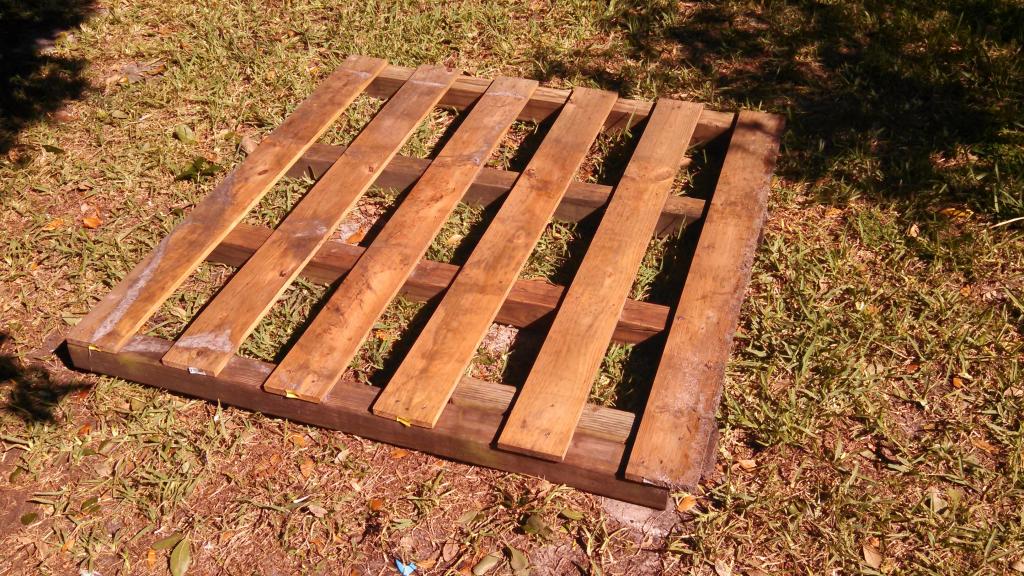
  • Place one pallet on the ground, ensuring it sits flat and level.
  • Position the second pallet perpendicular to the first pallet, creating a "T" shape.
  • Secure the two pallets together using wood screws. Drill pilot holes before driving in screws to prevent splitting the wood. Be sure to use screws that are long enough to penetrate both pallets securely.
  • Adjust the second pallet's position to ensure adequate space for stacking firewood.
  • Secure the two pallets together using wood screws to create a stable and sturdy structure.

Finishing Touches

Congratulations! Your pallet firewood rack is complete! You can leave it as is, or personalize it with a coat of stain or paint. This will add a touch of color and help protect the wood from the elements.

Safety Tips

Always prioritize safety when working with wood and tools. Wear safety glasses, gloves, and a dust mask to protect yourself from debris and dust. Use caution when using power tools and always follow the manufacturer's instructions.

Now, enjoy the convenience and aesthetic appeal of your DIY pallet firewood rack. It's not only a functional storage solution but also a stylish addition to your outdoor space.

The Ultimate Guide to Creating a Firewood Rack from Pallets

The Ultimate Guide to Creating a Firewood Rack from Pallets

The Ultimate Guide to Creating a Firewood Rack from Pallets: Turn Trash Into Treasure!

Hey there, fellow fire enthusiasts! Are you tired of that messy pile of firewood taking up valuable space in your garage or backyard? Well, get ready to transform those unsightly pallets into a functional and stylish firewood rack. This guide will walk you through every step, from gathering materials to finishing touches, so you can finally say goodbye to that chaotic woodpile.

Why Choose Pallets?

Pallets are readily available, often free for the taking! They are sturdy and durable, perfect for handling the weight of firewood. Plus, you'll be giving those pallets a second life, reducing waste and contributing to a greener planet. Talk about a win-win!

Materials You'll Need:

Before you dive into the project, gather your essential materials. This list should cover the basics, but you can always adjust it based on your specific design:

  • 2-4 sturdy pallets (depending on your desired size)
  • Circular saw or hand saw
  • Hammer
  • Screwdriver or drill
  • Wood screws (2.5-3 inches long)
  • Safety goggles and gloves
  • Optional: Wood stain or paint, sandpaper, sealant

Step-by-Step Guide to Building Your Firewood Rack

Step 1: Prep Those Pallets

Safety first! Don those gloves and goggles before you start. Pallets often have nails sticking out, so use a hammer to remove any loose nails or staples. This will make your woodworking experience much smoother. Give the pallets a good cleaning, removing any dirt, debris, or lingering pests. You can also sand down the pallets for a smoother finish if you're planning to stain or paint them.

Step 2: Design Your Rack

Now for the fun part! Decide on the size and shape of your firewood rack. Do you want a simple single-pallet rack, or a more complex multi-pallet creation? Consider your storage needs and the available space. A rectangular design is classic and easy to work with, while a tiered design can maximize vertical space.

Step 3: Cutting and Assembling the Structure

For a basic rack, you might simply need to cut the pallets to your desired length. If you're going for a more elaborate design, you might need to cut pieces from the pallets and join them together. Use your saw to carefully cut the pallet planks to your desired dimensions. To create a tiered rack, attach the pallets at varying heights. Secure all the pieces with wood screws, using a drill or screwdriver to create pilot holes before screwing to prevent splitting the wood.

Step 4: Stabilizing the Rack

Ensure your rack is sturdy and can handle the weight of firewood. If your rack is freestanding, consider adding cross beams or supports for extra stability. If you're mounting the rack to a wall, make sure you use appropriate hardware and anchors for secure attachment.

Step 5: Finishing Touches (Optional)

Time to personalize your creation! You can add a touch of style with stain, paint, or sealant. If you choose to stain or paint, sand the pallets first for a smoother finish. A natural wood stain will complement the rustic appeal of the pallets. A bold color can give your rack a unique flair. After applying stain or paint, allow it to dry completely before adding firewood.

Tips and Tricks for Pallet Firewood Rack Success:

  • Prioritize Safety: Wear gloves and eye protection when working with pallets. Check for nails and staples before handling.
  • Think About Accessibility: Design your rack so you can easily access and load the firewood. Consider adding a ramp or lift for easier loading.
  • Let Your Creativity Flow: Don't be afraid to experiment! Add decorative elements like metal brackets, rope accents, or a rustic sign. Make it your own!
  • Treat for Durability: A layer of sealant will protect your rack from the elements, ensuring it lasts for years to come. Consider using a water-based polyurethane for a natural look.
  • Embrace the Imperfections: Pallets have character! Don't try to hide the natural wear and tear. Embrace the rustic beauty.

Firewood Rack Inspiration:

Here are a few ideas to get your creative juices flowing:

  • Simple and Chic: Use a single pallet and cut it to fit your desired size. Leave it natural or add a stain for a subtle touch.
  • Tiered Storage: Stack pallets vertically, creating tiers for easy access to firewood. Use brackets or supports for added stability.
  • Wall-Mounted Rack: Attach the pallets to a wall to save space. Create a decorative backdrop by arranging the pallets in a unique pattern.
  • Corner Rack: Make the most of your space by building a rack that fits into a corner. This is great for small backyards or patios.

Firewood Rack: From Trash to Treasure

Building a firewood rack from pallets is an exciting project that combines practicality with creativity. You'll be surprised at how easily those discarded pallets can transform into a functional and stylish addition to your outdoor space. So, gather your materials, put on your safety gear, and get ready to create your very own firewood masterpiece! You'll be enjoying cozy fires with your new rack in no time.

Building a Firewood Rack from Pallets for a Cozy Outdoor Space

Building a Firewood Rack from Pallets for a Cozy Outdoor Space

Building a Firewood Rack from Pallets for a Cozy Outdoor Space

In the realm of outdoor living, a crackling fireplace is a beacon of warmth and ambiance. But what truly elevates the experience is the presence of a well-organized firewood rack, a testament to both functionality and aesthetic appeal. This guide delves into the art of crafting a rustic yet practical firewood rack from repurposed pallets, adding a touch of charm to your outdoor haven.

Gathering Your Materials

Before embarking on this project, ensure you have gathered the necessary materials, tools, and safety equipment. This will ensure a smooth and efficient construction process:

Materials

  • Pallets: Two sturdy pallets are the cornerstone of this project. Look for pallets with solid wood construction and minimal damage.
  • Wood screws: Choose screws that are long enough to securely fasten the pallet planks together. A variety of sizes might be needed depending on the thickness of the wood.
  • Safety glasses: Protecting your eyes from flying debris is crucial during woodworking.
  • Work gloves: Gloves provide a firm grip and protect your hands from splinters and rough surfaces.
  • Measuring tape: Precise measurements are vital for ensuring the firewood rack fits your intended space and creates a balanced aesthetic.
  • Pencil: Markings on the pallet planks guide your cuts and assembly process.
  • Circular saw or jigsaw: This tool allows you to neatly cut the pallet planks to your desired dimensions.
  • Drill: A drill with the appropriate bits is essential for pre-drilling holes before screwing the planks together to prevent wood splitting.
  • Level: Ensuring the firewood rack is level adds to its stability and visual appeal.
  • Sandpaper: Smoothing out any rough edges or splinters enhances safety and creates a refined finish.
  • Wood stain or paint (optional): Adding a protective coat of stain or paint enhances durability and personalizes the aesthetic of the firewood rack.

Preparing the Pallets

Once you have gathered your materials, it’s time to prepare the pallets for construction. This step involves removing any unwanted elements and ensuring the pallets are structurally sound.

Disassembling the Pallets

Remove any loose or damaged planks, nails, or staples. If the pallets have a bottom layer, it can be removed for easier assembly of the firewood rack. For pallets with a bottom layer, consider using a pry bar to separate the planks gently, taking care not to damage the wood.

Cleaning the Pallets

Clean the pallets thoroughly using a wire brush or sandpaper to remove dirt, debris, and any remaining staples or nails. This ensures a clean and safe working surface.

Building the Firewood Rack

Now, with your pallets ready, you are ready to assemble your rustic firewood rack. This process involves strategically attaching the pallet planks to create a stable structure.

Designing the Rack

Visualize the desired size and shape of your firewood rack. Consider the available space and how the rack will complement your outdoor area. You can create a simple single-tiered rack or a more elaborate multi-tiered structure.

Cutting the Planks

Using your circular saw or jigsaw, carefully cut the pallet planks to the required dimensions for your chosen design. If creating a multi-tiered rack, ensure the lower tiers are wider than the upper tiers to create a visually appealing and structurally sound design.

Assembling the Rack

Start by attaching the base of the firewood rack. Position two pallet planks parallel to each other, leaving a space for your logs. Screw the planks together using wood screws. Pre-drilling pilot holes helps prevent the wood from splitting.

For a multi-tiered rack, add additional planks to create the desired number of tiers. Ensure each tier is securely attached with screws, and that the spacing between tiers allows for comfortable stacking of firewood.

Finishing Touches

Once the firewood rack is assembled, smooth any rough edges or splinters with sandpaper. This enhances the aesthetic and safety of the rack.

For a personalized touch, consider applying a wood stain or paint. Stain adds a rustic charm, while paint provides a vibrant color accent. Remember to apply several thin coats for an even and durable finish.

Placement and Enjoyment

With your firewood rack complete, choose a suitable location in your outdoor space. Ensure the rack is placed on a level surface for stability.

As you gather around your fireplace, enjoy the warmth of the flames and the rustic charm of your hand-crafted firewood rack, a testament to your creativity and resourcefulness.

Safety Considerations

Remember to prioritize safety while working with power tools and wood.

  • Always wear safety glasses to protect your eyes from flying debris.
  • Use work gloves to protect your hands from splinters and rough surfaces.
  • Ensure the work area is well-lit and free of clutter.
  • Handle sharp tools with care, and keep fingers away from the blade path.
  • Never operate power tools when tired or under the influence of alcohol or drugs.
  • If working outdoors, be mindful of weather conditions and avoid working in inclement weather.

By following these safety guidelines, you can ensure a safe and enjoyable project experience.

Creative Variations

This project provides a foundation for a range of creative variations:

  • Rustic Elegance: Use salvaged pallet wood with natural imperfections to create a charming rustic aesthetic.
  • Modern Minimalism: Sand the pallet planks to create a smooth, clean finish, and paint the rack in a contemporary color palette.
  • Vertical Space Saver: Build a vertical firewood rack that maximizes space against a wall or fence.
  • Integrated Seating: Incorporate a pallet-constructed bench or seating area next to your firewood rack for a cozy outdoor gathering spot.
  • Storage Solutions: Add shelves or compartments to the firewood rack for additional storage of tools, gardening supplies, or outdoor accessories.

Let your imagination guide you as you customize your pallet firewood rack to perfectly complement your outdoor space.

Building a firewood rack from repurposed pallets is a rewarding project that combines functionality and aesthetic appeal. This guide provides a framework for creating a charming addition to your outdoor haven. Remember to prioritize safety, enjoy the process, and let your creativity flourish as you craft a unique and practical element for your cozy outdoor retreat.

Cold Frame Building Guide with Free Plans

Cold Frame Building Guide with Free Plans

Cold Frame Building Guide with Free Plans

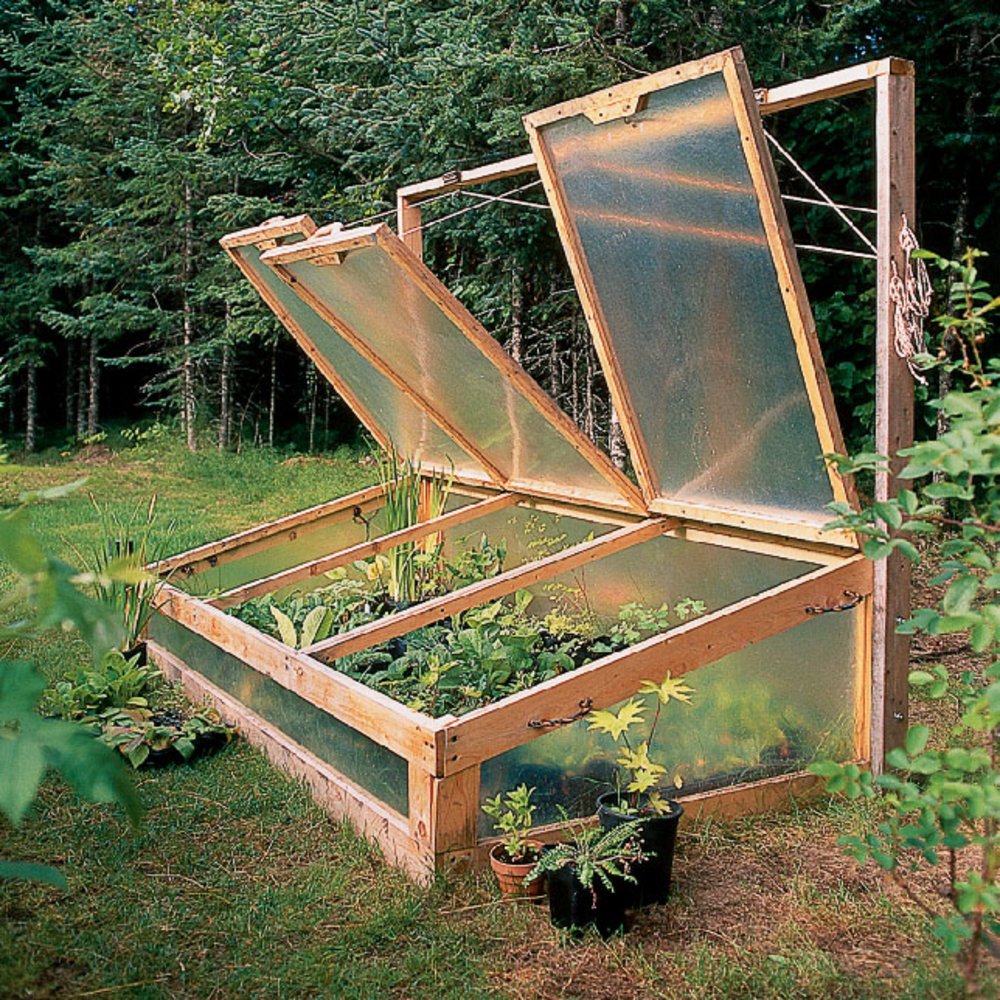
A cold frame is a simple, yet incredibly effective, structure used by gardeners to extend the growing season and protect delicate seedlings from harsh weather conditions. By trapping solar heat and creating a mini-greenhouse effect, cold frames allow you to start seeds earlier in the spring, grow tender crops during the colder months, and even harden off seedlings before transplanting them outdoors. This guide provides you with everything you need to build your own cold frame from scratch, complete with free plans that make the construction process a breeze.

Choosing the Right Location for Your Cold Frame

Before you start building, take the time to choose the perfect spot for your cold frame. This will ensure optimal sunlight exposure and easy access for tending to your plants. Here are some key considerations:

  • Sunlight: Choose a location that receives at least six hours of direct sunlight per day, ideally facing south for maximum sun exposure.
  • Drainage: Make sure the chosen spot has good drainage to prevent waterlogging, which can damage your plants.
  • Accessibility: Select a spot that is easy to reach for watering, weeding, and harvesting.
  • Protection: Consider factors like wind and heavy snow loads, and position your cold frame accordingly.

Materials and Tools You Will Need

To build your cold frame, you'll need a few basic materials. Gather these items before you begin construction:

  • Wood: Choose rot-resistant wood like cedar, redwood, or treated lumber. You'll need lumber for the frame, the lid, and any additional supports.
  • Glass or Polycarbonate: This will be the transparent covering for your cold frame. Glass offers excellent light transmission, while polycarbonate is lighter and more durable. Select the material based on your budget and preferences.
  • Hinges: Use heavy-duty hinges to attach the lid securely to the frame.
  • Hardware: You'll need screws, nails, staples, and other hardware for assembly.
  • Tools: Get a saw, a drill, a screwdriver, a tape measure, a level, and a hammer.

Free Cold Frame Plans: Two Designs to Choose From

We've created two easy-to-follow plans for you to choose from, both of which can be constructed using common tools and materials. Download the free PDF plans by clicking on the links below. You can choose the design that best suits your needs and preferences.

Cold Frame Plan 1: The Classic Rectangular Design

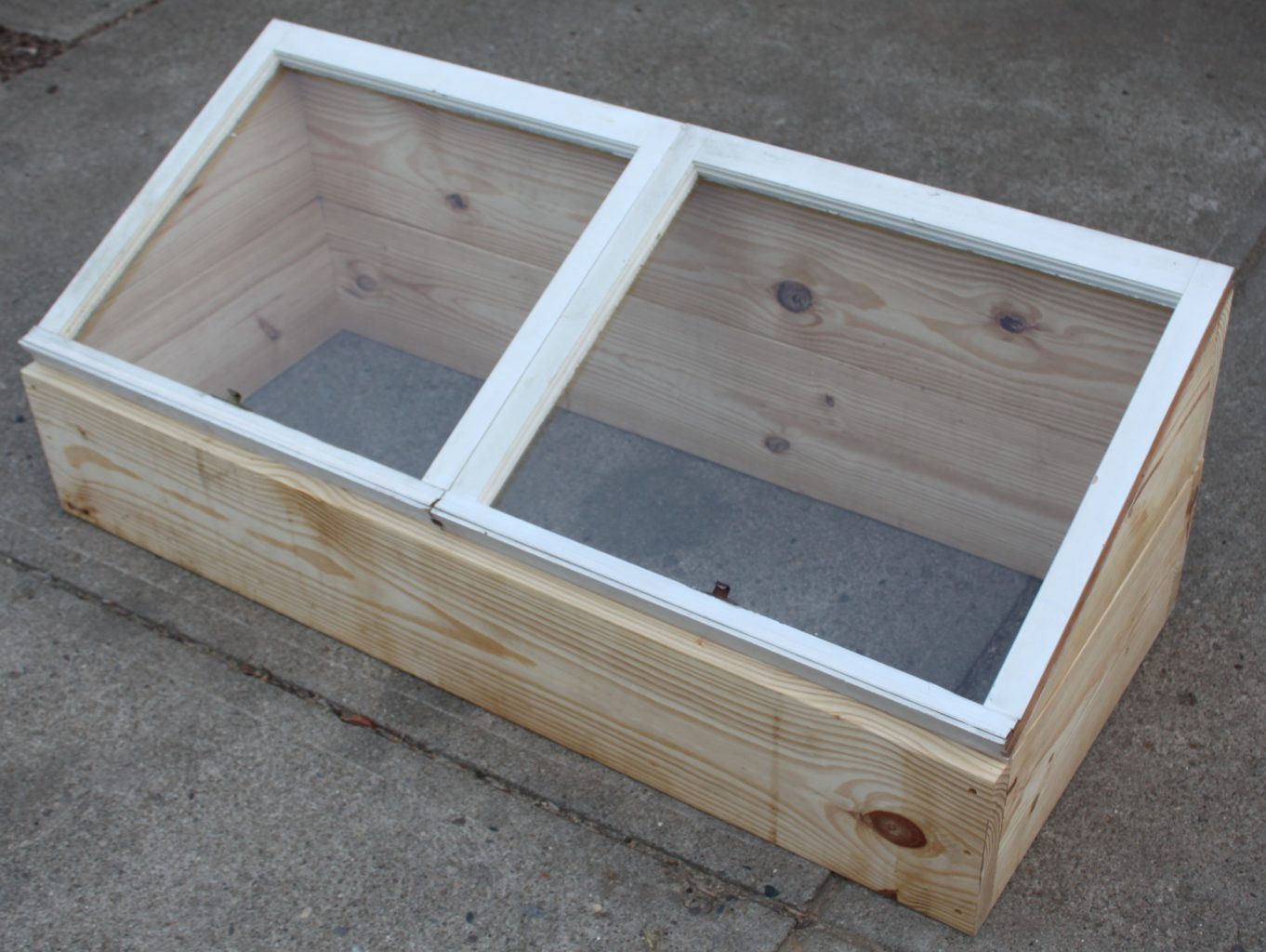
This classic design is a simple and efficient way to build a cold frame. The rectangular shape offers ample space for your plants, and the design can be easily modified to fit your specific needs.

Download the plan here: [Link to PDF plan 1]

Cold Frame Plan 2: The Raised Garden Bed Design

This innovative design combines a cold frame with a raised garden bed, providing a self-contained growing area. The raised design helps improve drainage and makes tending to your plants easier.

Download the plan here: [Link to PDF plan 2]

Step-by-Step Building Instructions

Once you've chosen your plan, follow these detailed instructions to build your cold frame:

  1. Cut the wood: Using your saw, cut the wood to the dimensions specified in your chosen plan. Be sure to make accurate measurements and cuts for a well-constructed frame.
  2. Assemble the frame: Use screws or nails to join the wood pieces together, creating the base and sides of the cold frame. Ensure that the corners are square and the frame is level.
  3. Attach the lid: Use hinges to secure the lid to the frame. Ensure the hinges are strong enough to support the weight of the lid and any snow accumulation.
  4. Install the glazing: Depending on your chosen material, either attach the glass with glazing points or secure the polycarbonate panels using screws or special clips. Ensure that the glazing is properly sealed to prevent drafts and leaks.
  5. Add a vent: To control airflow and regulate temperature, add a vent to the lid or the side of the cold frame. You can use a piece of wood, a sliding window, or a simple screen for this purpose.
  6. Finish the frame: You can choose to leave the wood natural or paint it with a weather-resistant sealant to protect it from the elements.

Caring for Your Cold Frame

Once your cold frame is built, follow these tips to ensure your plants thrive:

  • Watering: Water your plants regularly, making sure to avoid overwatering, which can lead to root rot. Check the soil moisture levels every few days.
  • Ventilation: During warmer days, open the vents to allow fresh air to circulate. This helps prevent overheating and condensation build-up.
  • Temperature Monitoring: Use a thermometer to monitor the temperature inside the cold frame. Ideally, temperatures should be between 40-70 degrees Fahrenheit. You may need to adjust the vents or use additional coverings to regulate the temperature.
  • Weed Control: Keep the cold frame free of weeds, as these can compete with your plants for resources. Regularly check for weeds and remove them promptly.

Building a cold frame is an excellent way to extend your gardening season and enjoy fresh produce throughout the year. With these free plans and detailed instructions, you can easily create a sturdy and functional cold frame for your garden. So, gather your materials, follow the steps carefully, and get ready to grow!

Step-by-step tutorial for a diy wooden magic box

Step-by-step tutorial for a diy wooden magic box

Craft a Mystifying Wooden Magic Box: A DIY Guide

Calling all aspiring illusionists and woodworkers! This comprehensive guide will walk you through the steps of creating a captivating wooden magic box, a perfect blend of craftsmanship and enchantment. Get ready to unlock the secrets of wood and conjure up a box brimming with magical possibilities.

Materials You'll Need

Before you begin, gather the following materials to ensure a seamless crafting experience:

  • Wooden box or crate (choose a size that suits your vision)
  • Wood glue
  • Sandpaper (various grits)
  • Wood stain or paint (optional)
  • Brushes
  • Hardware (hinges, catches, or magnetic closures)
  • Decorative elements (optional): metallic accents, embellishments, stencils)
  • Your imagination!

Step-by-Step Instructions

1. Prepare Your Wooden Box

Start by sanding the surface of your chosen box to create a smooth, even base for your magical masterpiece. Remove any imperfections, splinters, or rough edges. Sand with increasingly finer grits of sandpaper to achieve a polished finish.

2. Customize Your Box

Now comes the fun part! Let your creativity run wild! You can stain or paint the box in a color that complements your magical theme. If you prefer a more natural look, you can leave the wood unpainted for a rustic charm.

3. Add Secret Compartments

To infuse your box with true magic, create hidden compartments. These secret chambers will house your tricks and illusions, adding an element of surprise. Use small pieces of wood to divide the interior, leaving gaps for access. Secure these compartments with wood glue.

4. Incorporate Magic Tricks

Think about the illusions you want to perform. Design your compartments and secret access points to accommodate your tricks. For example, you might create a false bottom or a sliding panel for a disappearing act.

5. Install Hardware

Securely attach hinges and catches to the box. You can also use magnets for a clean, invisible closure. Make sure everything fits perfectly and functions smoothly.

6. Add Final Touches

Enhance the appearance of your magic box by adding decorative elements. You can paint intricate designs, add metallic accents, or even attach small embellishments. Let your artistic vision guide you.

Enhancing Your Wooden Magic Box

To elevate your magical creation, consider incorporating these additional details:

  • Create a Custom Illusion: Develop a unique illusion that specifically utilizes your magic box. This personal touch will make your creation even more special.
  • Lighting Effects: Install LED lights within the box to create a captivating visual effect.
  • Sound Effects: Add a small speaker to play sound effects or music, adding an auditory element to your magic.

Unleash the Magic

With your wooden magic box complete, it's time to unleash your inner illusionist! Practice your tricks, wow your audience, and revel in the enchantment you've created. Remember, the true magic lies in your creativity and the joy you bring to others.

Ultimate Guide to Squirrel Box Plans: Build Your Own

Ultimate Guide to Squirrel Box Plans: Build Your Own

The Ultimate Guide to Squirrel Box Plans: Build Your Own

Are you tired of squirrels raiding your bird feeders? Do you want to provide a safe and cozy home for these playful creatures? Building your own squirrel box is a rewarding project that will bring joy to you and the local squirrel population. This guide provides a comprehensive overview of everything you need to know, from choosing the right materials to installing your finished masterpiece.

Choosing the Right Materials

The materials you choose for your squirrel box will determine its longevity and appeal to the squirrels. Here's a breakdown of essential elements and suitable options:

Wood

Use untreated, rot-resistant wood like cedar, redwood, or pressure-treated pine. These woods are durable and weather-resistant, ensuring your box lasts for years. Avoid using plywood or particleboard, as they are susceptible to moisture damage.

Hardware

Choose rust-resistant screws and nails. Use galvanized or stainless steel options for maximum durability.

Roofing

A durable roof will protect your box from rain and snow. Consider using asphalt shingles, metal roofing, or even a thick layer of plywood sealed with waterproof paint.

Squirrel Box Design

The ideal squirrel box design varies depending on your location and the type of squirrel you wish to attract. Here are some essential considerations:

Size

A standard squirrel box should be roughly 12" wide x 12" deep x 18" high. This size provides ample space for a family of squirrels while remaining compact and easy to build.

Entry Hole

Place the entry hole on the side or front of the box, approximately 3" above the floor. The hole should be 4-5" in diameter, allowing adult squirrels to enter and exit comfortably.

Ventilation

Ensure adequate ventilation within the box by drilling small holes on the sides or back of the box. These holes allow air circulation and prevent moisture buildup.

Interior Design

The interior of the box should be smooth and free of sharp edges. You can add a nesting platform or shelf for added comfort. If you want to discourage birds from nesting in the box, consider adding a baffle below the entry hole.

Building Your Squirrel Box

Once you have gathered your materials and finalized your design, it's time to start building! Here's a step-by-step guide:

Step 1: Cut the Wood

Cut the wood to the desired dimensions using a saw. Ensure your cuts are precise for a sturdy and aesthetically pleasing box.

Step 2: Assemble the Box

Assemble the box using screws or nails. Start with the floor, then add the sides and back. Use wood glue for extra strength.

Step 3: Add the Entry Hole

Cut the entry hole in the desired location using a jigsaw or drill. Smooth the edges to prevent injury to the squirrels.

Step 4: Install the Roof

Attach the roof to the box using hinges or a simple overhang design. Ensure the roof overlaps the sides of the box for maximum water resistance.

Step 5: Add Ventilation

Drill small ventilation holes on the sides or back of the box to ensure proper airflow.

Step 6: Finish and Install

Sand the exterior of the box to create a smooth finish. Apply a sealant or paint to protect the wood from weathering. Install the box on a tree trunk or post, at least 10 feet off the ground.

Tips for Attracting Squirrels

Once your squirrel box is built and installed, here are some tips to attract these furry friends:

  • Place the box in a location with ample shade and shelter from the elements.
  • Provide a source of food nearby, such as a bird feeder or a squirrel feeder.
  • Keep the box clean and free of debris.
  • Be patient, it may take some time for squirrels to discover your box.
  • Enjoy Your New Squirrel Habitat

    Building your own squirrel box is a fun and rewarding project that allows you to connect with nature and provide a haven for these fascinating creatures. As you watch squirrels move into their new home, you'll experience the satisfaction of creating a safe and comfortable sanctuary for these playful and intelligent animals.

    Cold Frame Plans for Beginner Gardeners

    Cold Frame Plans for Beginner Gardeners

    Cold Frame Plans for Beginner Gardeners: A Step-by-Step Guide

    Are you a budding gardener looking for a way to extend your growing season and nurture delicate seedlings? Look no further than a cold frame! This simple structure acts as a mini-greenhouse, protecting your plants from harsh weather and creating a warmer microclimate for optimal growth. Even if you're a beginner, building a cold frame is a manageable project that can yield impressive results. Let's dive into the world of cold frames and explore everything you need to know to get started.

    Understanding Cold Frames

    Cold frames are essentially transparent boxes with a lid that can be opened and closed to regulate temperature. They harness the sun's warmth, trapping it inside and creating a warmer environment for your plants. This allows you to start seeds earlier in the spring, extend your growing season into the fall, and even overwinter some hardy vegetables.

    Benefits of Using a Cold Frame

    Cold frames offer a variety of benefits for beginner gardeners:

    • Extended Growing Season: Start seeds earlier in the spring and harvest crops later in the fall.
    • Protection from Harsh Weather: Shield your plants from frost, wind, and heavy rain.
    • Controlled Environment: Regulate temperature and moisture levels for optimal plant growth.
    • Hardening Off Seedlings: Gradually acclimate seedlings to outdoor conditions before transplanting them into your garden.
    • Low-Cost Solution: Build a cold frame from readily available materials and save money on expensive greenhouses.

    Building Your Cold Frame

    Now let's build your cold frame! We'll use readily available materials and focus on a simple, beginner-friendly design.

    Materials You'll Need:

    • Wood planks (2x4s or 2x6s) for the frame
    • Plywood or polycarbonate sheets for the bottom and lid
    • Hinges (2)
    • Screws or nails
    • Measuring tape
    • Level
    • Saw
    • Drill (optional)

    Construction Steps:

    1. Measure and Cut: Determine the size of your cold frame, keeping in mind the space you have available. Cut the wood planks to the desired dimensions, ensuring square corners.
    2. Assemble the Frame: Attach the wood planks to create a rectangular box. Secure the joints with screws or nails.
    3. Create the Bottom: Cut a piece of plywood or polycarbonate to fit snugly inside the frame. Attach it to the bottom of the frame using screws or nails.
    4. Build the Lid: Cut a piece of plywood or polycarbonate to the same size as the base. Attach hinges to one side of the lid for easy opening and closing.
    5. Secure the Lid: Attach a latch or handle to the lid to secure it in place.
    6. Place and Prepare: Choose a sunny location for your cold frame. Add a layer of soil or potting mix to the bottom.
    7. Enjoy Your New Cold Frame: Your cold frame is ready! Start your seeds, nurture your seedlings, and extend your growing season with this simple but effective structure.

    Tips for Success

    • Location, Location, Location: Choose a sunny spot that receives at least 6 hours of sunlight daily.
    • Ventilation: Open the lid on warmer days to allow for air circulation and prevent overheating.
    • Moisture Control: Water your plants regularly, but avoid overwatering. Use a watering can with a fine rose to gently mist the soil.
    • Protecting from Frost: On cold nights, cover the lid with a blanket or tarp for extra insulation.
    • Experiment: Try different plants in your cold frame to see what thrives best in your climate.

    Building a cold frame is a rewarding experience for beginner gardeners. It's an investment in your garden's health and success, and you'll be amazed by the benefits it brings to your plants and your gardening journey. So, gather your materials, follow these easy steps, and start enjoying the wonders of a cold frame!

    Step-by-Step DIY Plans for Squirrel Box Projects

    Step-by-Step DIY Plans for Squirrel Box Projects

    DIY Squirrel Box Projects: A Comprehensive Guide

    Squirrel boxes, also known as squirrel feeders or squirrel houses, are an excellent way to provide a safe and comfortable habitat for these adorable creatures. Not only do they help attract squirrels to your yard, but they also offer a fun and engaging observation opportunity for you and your family. This comprehensive guide will provide you with detailed step-by-step plans for building various types of squirrel boxes, along with essential tips and tricks for success.

    Choosing the Right Squirrel Box Design

    Before embarking on your building journey, it's crucial to consider the different types of squirrel boxes and select the one that best suits your needs and preferences.

    1. Traditional Squirrel Box

    This classic design resembles a small birdhouse, offering a simple yet functional shelter for squirrels. It typically features a single entrance hole, a spacious interior, and a flat roof for weather protection.

    2. Multi-Chamber Squirrel Box

    This design offers multiple compartments, each with its own entrance, allowing for greater capacity and accommodating larger families of squirrels. The compartments provide separate nesting spaces, offering privacy and reducing competition among squirrels.

    3. Hanging Squirrel Feeder

    This innovative design combines a squirrel feeder with a nesting compartment, offering both food and shelter in one convenient package. The feeder is typically attached to a hanging wire, keeping it accessible for squirrels and preventing them from digging into your garden.

    Materials and Tools

    To build a squirrel box, you'll need the following materials and tools:

    • Wood: Use untreated, weather-resistant wood like cedar, redwood, or pressure-treated pine. Avoid using plywood, as it may release harmful chemicals that can affect squirrels.
    • Screws: Choose rust-resistant screws that are long enough to securely fasten the wood pieces.
    • Saw: Use a circular saw or jigsaw to cut the wood to size.
    • Drill: Use a drill with a variety of bits to create pilot holes for screws and to drill the entrance hole.
    • Measuring Tape: Ensure accurate measurements for precise cuts.
    • Level: Ensure that the box is level when mounted.
    • Hammer: For securing nails, if required.
    • Safety Glasses: Protect your eyes from flying debris.
    • Protective Gloves: Wear gloves while handling wood and tools.
    • Wood Glue: Optional, but can strengthen the joints.
    • Paint or Stain: Optional, for aesthetic appeal and weather protection.

    Step-by-Step Building Instructions: Traditional Squirrel Box

    Follow these step-by-step instructions to build a traditional squirrel box:

    1. Cut the Wood

    Begin by cutting the wood pieces according to the following dimensions:

    • Base: 12 inches wide x 10 inches deep
    • Sides: 10 inches tall x 12 inches long (2 pieces)
    • Back: 10 inches tall x 10 inches wide
    • Roof: 12 inches wide x 12 inches long (2 pieces)

    2. Assemble the Box

    • Attach the sides to the base, ensuring they are flush and square. Use screws to secure them.
    • Attach the back panel to the sides, aligning it with the bottom edge of the base.

    3. Create the Entrance Hole

    Drill an entrance hole in the front panel, approximately 3 inches in diameter and positioned 4 inches from the bottom edge. Ensure the hole is smooth and free of rough edges to prevent injuries to squirrels.

    4. Build the Roof

    • Attach the two roof pieces to the back of the box, forming a gable roof. You can use a hinge on one side of the roof for easy access.

    5. Finish and Install

    Sand any rough edges and apply a sealant, paint, or stain to protect the wood. Install the box in a sheltered location, at least 6 feet above ground, and facing away from prevailing winds. You can mount the box using brackets or screws, ensuring it is secure and will not easily fall.

    Tips for Success

    Here are some additional tips to ensure success in building and attracting squirrels to your squirrel box:

    • Use untreated wood: Avoid using treated lumber, as it may contain chemicals harmful to squirrels.
    • Provide ample ventilation: Ensure the box has proper ventilation by drilling small holes in the sides or roof.
    • Choose a safe location: Install the box in a sheltered spot, away from predators and direct sunlight.
    • Make it accessible: Ensure the entrance hole is the right size for squirrels, typically around 3 inches in diameter.
    • Clean the box regularly: Regularly clean the box of debris and old nesting materials to prevent the spread of parasites and disease.
    • Offer food: Consider placing a squirrel feeder nearby to encourage squirrels to visit your box.
    • Be patient: It may take some time for squirrels to discover and occupy your box. Don't be discouraged if it takes a while.

    Enjoy Your New Squirrel Habitat

    By following these detailed instructions and tips, you can build a safe and comfortable squirrel box that will attract these delightful creatures to your yard. Remember to observe them from a distance, respecting their privacy and allowing them to thrive in their new home.

    Free Squirrel Den Box Plans for Beginners

    Free Squirrel Den Box Plans for Beginners

    Free Squirrel Den Box Plans for Beginners: Build a Cozy Home for Your Backyard Friends

    Are you looking for a fun and rewarding DIY project? Building a squirrel den box is an excellent way to attract these playful creatures to your yard and provide them with a safe haven. This article will guide you through the process of creating a cozy squirrel den box using free plans, even if you're a complete beginner.

    Why Build a Squirrel Den Box?

    Squirrel den boxes offer numerous benefits for both you and the squirrels:

    • Provide Shelter: Squirrel den boxes offer a safe space for squirrels to escape predators, harsh weather, and extreme temperatures.
    • Support Local Wildlife: By creating a welcoming environment, you can help support the squirrel population in your area, promoting biodiversity and a healthy ecosystem.
    • Enjoyable Observation: Watching squirrels interact with their den box can be a fun and engaging experience for all ages. You can observe their playful nature, nesting habits, and family dynamics.

    Choose the Right Location

    Before you start building, you need to choose the perfect spot for your squirrel den box:

    • High and Dry: Select a location at least 6 feet above the ground, preferably on a tree trunk, to deter predators. Ensure the area is well-drained to prevent moisture buildup.
    • Close to Trees: Place the den box near a tree or cluster of trees, as squirrels prefer to have access to branches for quick escapes and foraging.
    • Away from Busy Areas: Choose a location that is not too close to high-traffic areas to ensure the squirrels feel safe and secure.

    Gathering Your Materials

    You'll need the following materials to construct your squirrel den box:

    • Wood: Use weather-resistant wood like cedar, redwood, or pressure-treated pine for longevity. Choose boards that are at least 3/4 inch thick.
    • Screws: Use exterior-grade screws that are long enough to penetrate the wood securely.
    • Hammer: A hammer will help you drive in the screws and assemble the den box.
    • Saw: You'll need a saw to cut the wood to size. A circular saw or hand saw will work.
    • Drill: A drill will make it easier to pre-drill holes for the screws, preventing wood splitting.
    • Measuring Tape: A measuring tape is essential for accurate cuts and assembly.
    • Pencil: Use a pencil to mark the wood for cutting and assembly.
    • Safety Glasses: Always protect your eyes with safety glasses while working with wood and tools.

    Squirrel Den Box Plans: Free and Easy to Follow

    Now, let's get to the fun part: building the den box. We'll use easy-to-follow free plans for a basic squirrel den box:

    Step 1: Cut the Wood

    Cut the wood to the following dimensions using your chosen saw:

    • Front Panel: 12 inches wide x 10 inches high
    • Back Panel: 12 inches wide x 10 inches high
    • Sides (2): 10 inches wide x 10 inches high
    • Top: 12 inches wide x 10 inches high
    • Bottom: 12 inches wide x 10 inches high
    • Entrance Panel: 4 inches wide x 6 inches high (optional)

    Step 2: Assemble the Frame

    Start by attaching the front and back panels to the sides using screws. Make sure the panels are aligned and flush. Then, secure the bottom panel to the frame.

    Step 3: Install the Entrance Panel (Optional)

    If you're adding an entrance panel, cut a hole in the front panel slightly larger than the entrance panel dimensions. Attach the entrance panel to the front panel with screws.

    Step 4: Attach the Top Panel

    Secure the top panel to the assembled frame, creating a lid for the den box. You can create a simple hinge using screws or attach the top with a latch.

    Step 5: Finish Touches

    To protect the wood and make it more durable, you can apply a wood sealant, stain, or paint. Avoid using harsh chemicals that could harm the squirrels.

    Installation

    With your squirrel den box complete, you can install it in the chosen location:

    • Secure Attachment: Mount the box to the tree trunk using strong screws or brackets. Ensure the box is securely attached to prevent it from falling.
    • Open the Entrance: Leave the entrance opening unobstructed to allow squirrels easy access.
    • Observation: Place the box where you can observe it without disturbing the squirrels.

    Maintaining Your Squirrel Den Box

    To ensure your den box remains a safe haven for squirrels, follow these maintenance tips:

    • Check for Damage: Regularly inspect the den box for any signs of damage, such as loose screws, cracks, or rot. Repair any issues promptly.
    • Clean Regularly: Clean out the den box every few months, removing any accumulated debris, dirt, or old nesting materials. Use a mild disinfectant if needed.
    • Repaint or Seal: If necessary, repaint or seal the wood to protect it from the elements and extend its lifespan.

    Building a squirrel den box is a rewarding project that allows you to connect with nature and provide a safe haven for these charming creatures. By following these free plans and tips, you can easily create a cozy home for the squirrels in your backyard.

    How to Use a Cold Frame for Seed Starting

    How to Use a Cold Frame for Seed Starting

    Start Your Seeds Right: A Guide to Using a Cold Frame

    A cold frame is a simple yet powerful tool for gardeners who want to get a head start on the growing season. These mini-greenhouses create a protected microclimate, allowing you to sow seeds weeks before the last frost, and even extend your growing season into the fall.

    Whether you're a seasoned gardener or just starting out, a cold frame can help you cultivate healthy seedlings and boost your gardening success. Let's dive into the details of how to use a cold frame for seed starting!

    Choosing the Right Cold Frame

    First things first, you'll need to select a cold frame that suits your needs and space. Cold frames come in various shapes, sizes, and materials. Here's a quick rundown of the popular options:

    Types of Cold Frames

    • Wooden Cold Frames: These are a classic choice, known for their durability and ease of construction.
    • Plastic Cold Frames: Lightweight and portable, plastic cold frames are great for smaller gardens.
    • Metal Cold Frames: Often featuring a more modern design, metal cold frames offer sturdy construction and can withstand harsh weather conditions.

    Consider the size of your garden, the types of plants you'll be starting, and your budget when making your choice. A larger cold frame allows you to start more seeds, while a smaller one might be more manageable if you have limited space.

    Setting Up Your Cold Frame

    Once you've selected your cold frame, it's time to set it up for optimal seed starting. Here's a step-by-step guide:

    Location, Location, Location

    Choose a sunny spot for your cold frame. It should receive at least six hours of direct sunlight each day. A south-facing location is ideal for maximizing sunlight exposure. Make sure the area is well-drained, and slightly raised to prevent waterlogging.

    Preparing the Soil

    Fill your cold frame with a high-quality seed starting mix. This should be a light and airy mixture that drains well, allowing roots to develop properly. Consider adding some compost or aged manure to enrich the soil and improve drainage.

    Adding a Layer of Protection

    To further insulate your cold frame and prevent heat loss, add a layer of protective material to the bottom of the cold frame. Straw, newspaper, or even a layer of bubble wrap can help trap warmth and create a stable environment for your seedlings.

    Starting Your Seeds

    Now, it's time to get your hands dirty! Follow these steps to sow your seeds in the cold frame:

    Choosing the Right Seeds

    Start with seeds that are appropriate for your climate and growing season. Research the germination requirements of your chosen seeds and select varieties that are suitable for cold frame cultivation.

    Sowing the Seeds

    Carefully sow your seeds according to the instructions on the seed packet. Make sure to space them out properly, as overcrowding can lead to weak seedlings. You can also use a seed tray to start your seeds and then transplant them into the cold frame once they have a few true leaves.

    Watering and Ventilation

    Keep the soil in your cold frame consistently moist. Avoid overwatering, as this can lead to root rot. You can use a watering can with a fine rose or a gentle misting bottle to water the seedlings. Provide adequate ventilation by opening the lid of your cold frame during warmer days and closing it at night to trap heat.

    Caring for Your Seedlings

    Once your seeds have sprouted, continue to care for them regularly. Here are some key tasks:

    Thinning

    If your seedlings are too close together, thin them out, leaving the strongest ones to flourish. This will ensure that each plant has enough space to grow and develop a healthy root system.

    Hardening Off

    Before transplanting your seedlings to their permanent location, you need to harden them off. This gradual process acclimates them to the outdoors and prepares them for the change in environment. Start by opening the cold frame lid for short periods each day, gradually increasing the amount of time the seedlings are exposed to the elements. After a week or two of hardening off, your seedlings will be ready for transplanting.

    Troubleshooting Common Problems

    While cold frames offer a controlled environment for seed starting, you may encounter some challenges along the way. Here are some common problems and their solutions:

    Damping Off

    Damping off is a fungal disease that can affect seedlings, causing them to wilt and collapse. Proper ventilation and watering can help prevent this issue. Use a fungicide if needed to control damping off.

    Overwatering

    Excess moisture can lead to root rot and other problems. Ensure the soil in your cold frame drains well, and avoid overwatering.

    Pest Control

    Keep an eye out for pests like slugs, snails, and aphids. Use organic pest control methods or introduce beneficial insects to deter pests.

    Enjoy the Rewards

    Using a cold frame for seed starting is a rewarding experience. You'll enjoy the satisfaction of nurturing your seedlings from tiny seeds to sturdy plants ready for transplanting. By following these tips, you'll be well on your way to a successful and bountiful garden!

    How to make a diy grill gazebo with an outdoor storage shed

    How to make a diy grill gazebo with an outdoor storage shed

    Building a Grill Gazebo with an Outdoor Storage Shed

    Imagine this: you're grilling up a storm, basking in the warmth of the summer sun, protected from pesky bugs and sudden rain showers. Sounds idyllic, right? Well, you can make this dream a reality by transforming your humble outdoor storage shed into a functional and stylish grill gazebo. This DIY project combines practicality with aesthetics, allowing you to enjoy your outdoor cooking space year-round.

    Planning Your Grill Gazebo

    The first step is planning. You'll need to consider your shed's dimensions, the size of your grill, and your desired level of protection. For example, a small shed can easily accommodate a compact gas grill and provide basic overhead cover. A larger shed offers more space for a charcoal grill, extra seating, and even a mini-fridge.

    Materials and Tools

    Before you begin, gather the necessary materials and tools. This list is a starting point, and you can adjust it based on your specific needs and design preferences.

    • Outdoor storage shed: The foundation of your grill gazebo.
    • Grill: Choose a size that comfortably fits within the shed.
    • Gazebo frame: Opt for a sturdy frame made of metal or wood to provide support.
    • Gazebo fabric: Select a durable, weather-resistant fabric for the roof and sides.
    • Wood planks or beams: For creating a platform or countertop within the shed.
    • Screws, nails, and other fasteners: For assembling the gazebo frame and attaching it to the shed.
    • Measuring tape, saw, drill, and other tools: For cutting and assembling the frame.
    • Safety equipment: Always prioritize safety by wearing gloves, eye protection, and sturdy footwear.

    Construction Process

    With your materials gathered, you're ready to begin the construction process.

    1. Prepare the Shed

    Clean the shed thoroughly, removing any debris or clutter. If your shed has a wooden floor, reinforce it with additional plywood or wood planks to handle the weight of the grill and gazebo frame.

    2. Construct the Gazebo Frame

    Assemble the gazebo frame according to the manufacturer's instructions. If you're building a custom frame, measure the shed's dimensions carefully and cut the wood planks or beams to size. Ensure the frame is sturdy and securely attached to the shed's structure.

    3. Attach the Gazebo Fabric

    Secure the gazebo fabric to the frame using the provided hardware or clips. Make sure the fabric is taut and free of wrinkles for optimal protection and aesthetics.

    4. Build a Grill Platform

    Create a platform or countertop inside the shed for your grill using wood planks or beams. This will provide a stable surface for grilling and make it easier to access the grill.

    5. Add Finishing Touches

    Personalize your grill gazebo by adding decorative elements, such as hanging plants, string lights, or a small table and chairs. Consider installing a fan or a heater for added comfort during different seasons.

    Enjoy Your New Grill Gazebo

    Congratulations! Your grill gazebo is complete. Now you can enjoy grilling in any weather, with ample shade and protection. Remember to clean and maintain your gazebo regularly to extend its lifespan. Happy grilling!