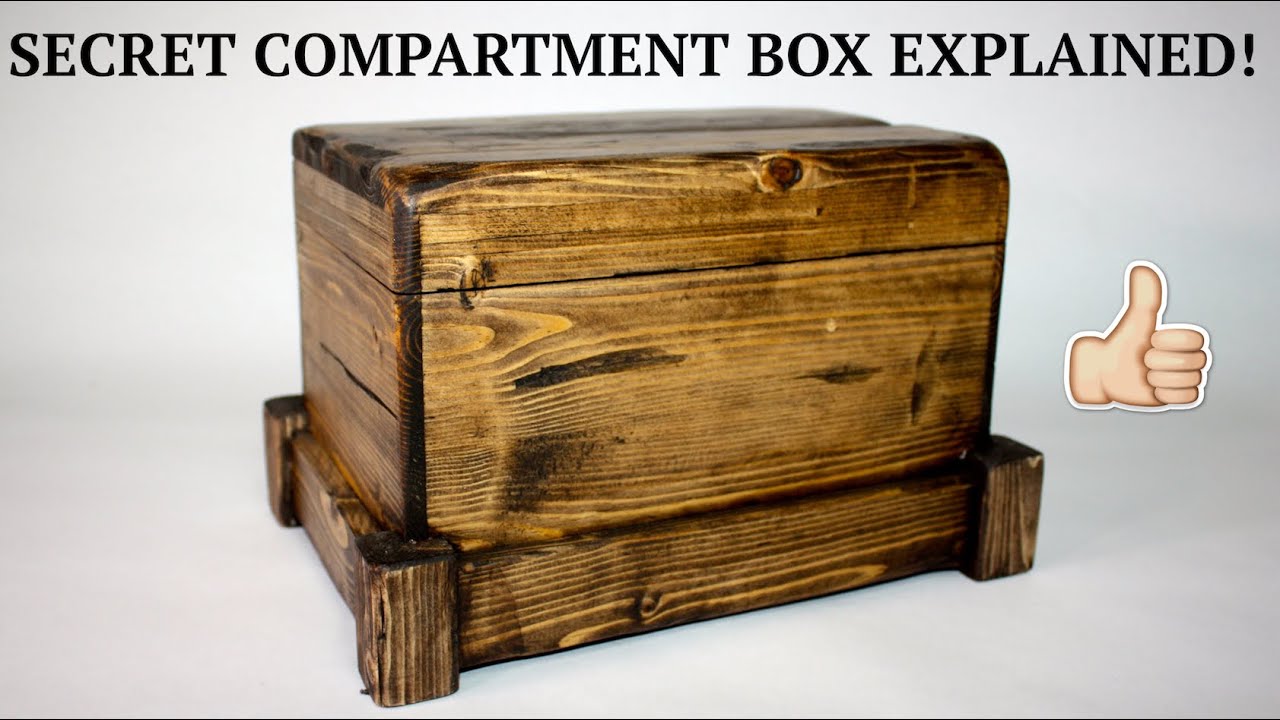
A Comprehensive Guide to Building a Secret Compartment Magic Box
Unveiling hidden compartments in seemingly ordinary objects holds a timeless fascination. The allure of secret spaces, imbued with an air of mystery and intrigue, has captivated minds for generations. This guide delves into the art of constructing a secret compartment magic box, offering detailed instructions, design considerations, and creative embellishments that elevate your creation to a work of both functionality and wonder.
Choosing Your Box
The foundation of your secret compartment magic box lies in the selection of the box itself. The ideal box should possess a balance of aesthetic appeal and practical suitability. Consider the following factors:
Size and Shape
The dimensions of the box will determine the size and complexity of the hidden compartment. A compact box is easier to conceal and transport, while a larger box allows for more substantial storage. The shape of the box can influence the design of the compartment, with rectangular boxes offering a greater range of possibilities.
Material
The material of the box should be durable and amenable to modification. Wood, metal, and sturdy cardboard are common choices. Wood offers versatility in design, while metal provides robustness and resistance to wear. Cardboard, though less durable, can be an excellent option for beginners due to its ease of manipulation.
Aesthetic Appeal
The chosen box should resonate with your desired aesthetic. A vintage-inspired box with intricate carvings will exude a sense of antiquity, while a sleek, minimalist box can achieve a modern, understated elegance.
Designing the Secret Compartment
The core of your magic box lies in the hidden compartment. This section outlines key considerations and techniques for designing a secret compartment that blends seamlessly with the box's overall structure.
Location
The placement of the compartment should be strategic and inconspicuous. Common locations include the bottom of the box, the back panel, or even within a false bottom. The choice should align with the box's design and the intended method of access.
Size and Shape
The compartment's size should accommodate the objects you wish to store. A shallow compartment might be ideal for small items, while a deeper one can hold larger objects. The shape of the compartment can be tailored to suit your needs, ranging from simple rectangles to more complex shapes.
Access Mechanism
The method of accessing the compartment is crucial to the magic box's functionality. Here are some common access mechanisms:
- Sliding Panel: A hidden panel that slides along a track to reveal the compartment.
- Magnetic Latch: A hidden magnet secures a panel or lid, which is released by a corresponding magnet.
- Hidden Hinge: A discreet hinge mechanism that allows a section of the box to swing open, revealing the compartment.
- False Bottom: A removable bottom that conceals the compartment.
Construction Techniques
The construction process involves carefully executing the design, ensuring that the compartment remains concealed and the box functions flawlessly.
Creating the Compartment
Depending on the material and the chosen access mechanism, the compartment can be constructed using a variety of techniques. For wood or cardboard, cutting, shaping, and joining pieces are essential. Metal boxes might require bending, shaping, and welding.
Securing the Compartment
Once the compartment is formed, it must be securely attached to the box. Adhesives, screws, or hidden latches can be used to secure the compartment, depending on the material and the chosen design.
Concealing the Access Mechanism
The access mechanism should be camouflaged within the box's design. For sliding panels, a decorative trim or a flush-mounted latch can be used. For magnetic latches, a concealed magnet embedded in the box's surface can activate the release. Hidden hinges should be carefully aligned with the box's structure to avoid any visible signs.
Enhancing the Magic
Once the basic construction is complete, it's time to elevate the magic box with embellishments and details that add charm and intrigue.
Decorative Finishes
Apply decorative finishes to enhance the box's aesthetic and create a sense of authenticity. Painting, staining, distressing, and applying decorative paper or fabric can transform the box's appearance.
Secret Triggers
Add subtle triggers to the box's design that hint at the secret compartment. A hidden switch, a pressure plate, or a seemingly ordinary knob can activate the mechanism. These triggers can be integrated into the box's existing elements, creating an illusion of innocent functionality.
Thematic Decorations
Consider incorporating themed decorations that align with the box's intended purpose or its overall aesthetic. Antique keys, cryptic symbols, or miniature replicas of ancient artifacts can add an air of mystery and intrigue.
Final Touches
Once the magic box is complete, add finishing touches that enhance its functionality and create a sense of wonder.
Secret Codes
Add secret codes or messages to the box's interior or exterior, hinting at the compartment's location or the contents within. These codes can be simple puzzles or more intricate ciphers, adding an extra layer of challenge and intrigue.
Hidden Clues
Integrate hidden clues within the box's design that guide the user to the secret compartment. These clues can be in the form of concealed symbols, cryptic markings, or even invisible ink messages that become visible under specific conditions.
Conclusion
Building a secret compartment magic box is a rewarding and imaginative project that combines creativity, craftsmanship, and a touch of magic. By following these guidelines, you can create a unique and captivating treasure box that serves as a testament to your ingenuity and a source of endless wonder for years to come. Remember, the most successful magic boxes are those that evoke a sense of mystery and intrigue, leaving the observer captivated and eager to uncover the secrets hidden within.


0 comments:
Post a Comment
Note: Only a member of this blog may post a comment.