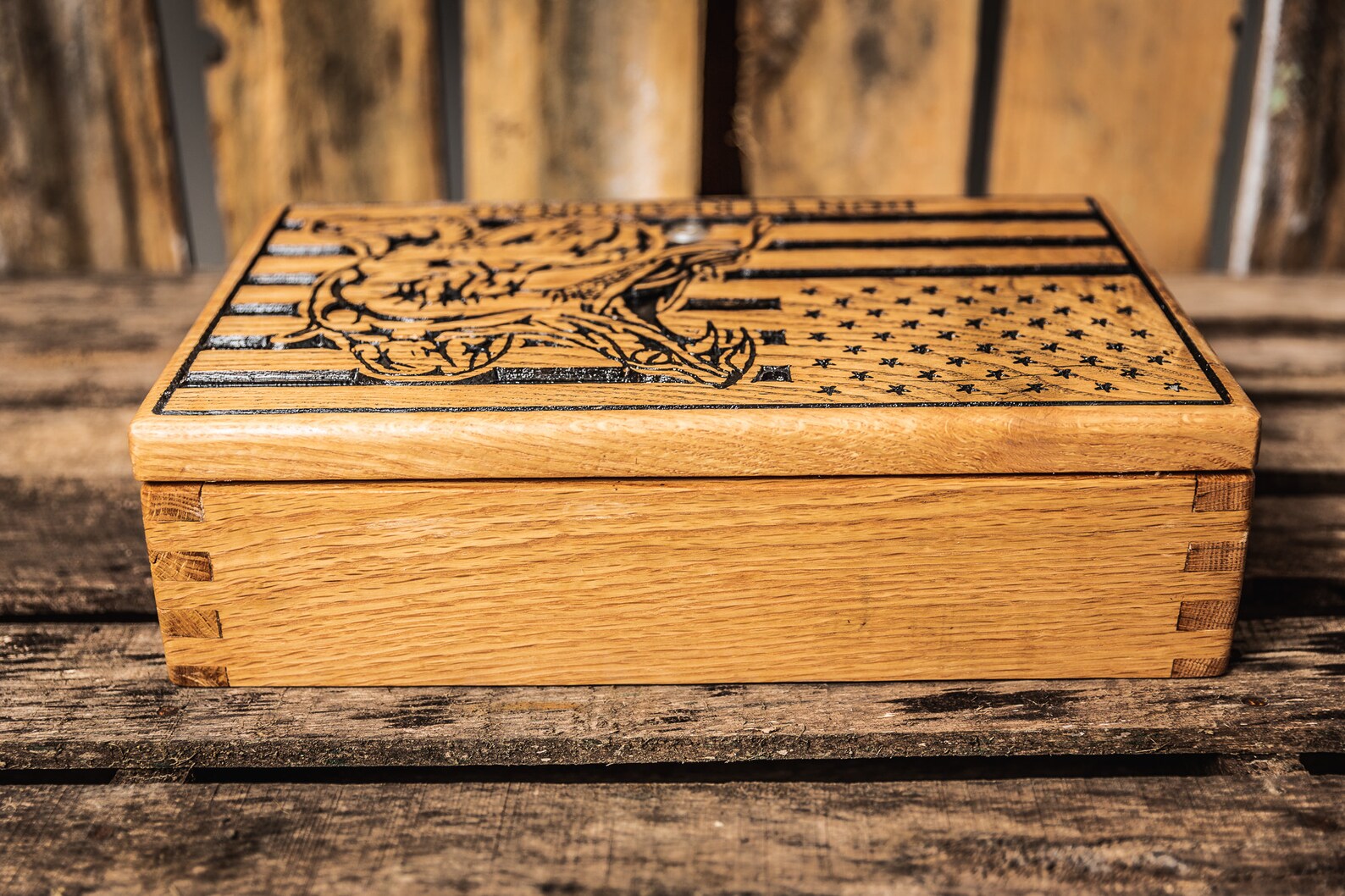
Crafting a Custom Wooden Gun Case: A Comprehensive Guide
For firearm enthusiasts, a dedicated gun case is not merely a storage solution; it's an extension of their passion, a symbol of their respect for their prized possessions. A custom-made wooden gun case, crafted with meticulous care and attention to detail, elevates this functionality into an art form, offering a personalized sanctuary for your firearms while showcasing your unique style.
This comprehensive guide will navigate you through the intricate process of crafting a custom wooden gun case, from conceptualization to final finishing, empowering you to create a truly bespoke masterpiece.
I. Conceptualization: The Foundation of Your Case
The journey of crafting a custom wooden gun case begins with envisioning the perfect container for your firearms. Consider these key aspects:
1. Purpose and Function:
Determine the primary purpose of your case: will it be for everyday carry, travel, or display? This will influence the size, design, and features of the case.
2. Dimensions and Configuration:
Carefully measure your firearms, ensuring ample space for each, along with any additional accessories you wish to store. Consider the number of guns, their lengths, and any specific features like scopes or optics.
3. Wood Species and Finish:
The choice of wood species is a cornerstone of your case's aesthetic. Consider the color, grain patterns, and durability. Popular options include walnut, cherry, maple, mahogany, and oak. Research the specific properties of each wood to find one that suits your vision and intended use.
a. Walnut:
Renowned for its rich, dark brown color and intricate grain patterns, walnut offers a classic and elegant appearance. Its durability makes it suitable for everyday use.
b. Cherry:
Cherry wood features a warm, reddish-brown hue that deepens with age. Its attractive grain and smooth texture make it a popular choice for furniture and decorative items.
c. Maple:
Maple is known for its light, pale color and distinctive birdseye or curly patterns. It's a sturdy and versatile wood, often used in high-end furniture.
d. Mahogany:
Mahogany boasts a reddish-brown color with a rich, luxurious appearance. Its dense and durable nature makes it ideal for crafting high-quality furniture and decorative items.
e. Oak:
Oak is renowned for its strength and durability. Its distinctive grain patterns and warm color range make it a timeless and elegant choice for furniture and decorative items.
4. Interior Design:
The interior of your case provides protection and organization for your firearms. Consider the following:
- Padding: Choose a high-quality, soft padding material like foam or felt to cushion your firearms and protect their finishes.
- Dividers: Utilize custom-cut dividers to separate your firearms, preventing them from rubbing together and minimizing the risk of damage.
- Locking Mechanism: Select a robust locking mechanism for security and peace of mind. This could include key locks, combination locks, or even biometric locks.
- Accessories: If you plan to store additional accessories, design dedicated compartments for cleaning kits, tools, ammunition, or even scopes and optics.
5. Hardware and Finishing Touches:
Consider the hardware and finishing touches that will elevate your case's appearance and functionality:
- Hinges: Select durable and aesthetically pleasing hinges, opting for brass, nickel, or even custom-made hinges for a unique look.
- Handles: Choose handles that are comfortable to grip and aesthetically match the overall design. Options include leather-wrapped handles, brass accents, or intricate carved designs.
- Finish: Consider a protective finish for your case, such as oil-based polyurethane or varnish. This will enhance the wood's natural beauty and provide a durable layer of protection.
- Personalization: Add a touch of personalization through engraving, inlay work, or custom-made brass plates with your name or initials.
II. Construction: Bringing Your Vision to Life
With your design finalized, the next step is to bring it to life through meticulous construction. This involves various stages, each demanding precision and care:
1. Material Preparation:
Begin by preparing your chosen wood. Ensure it is properly dried to prevent warping or cracking. If necessary, plane and sand the wood to achieve a smooth surface.
2. Cutting and Joining:
Using precise measurements, cut the wood panels for the case's body, lid, and any interior dividers. Join these panels using techniques like dovetail joinery, mortise and tenon, or traditional woodworking methods. These techniques ensure a strong and durable case.
3. Shaping and Routing:
Shape the exterior of your case, including any decorative curves or angles. Use a router to create intricate details, like edging profiles or decorative grooves.
4. Interior Construction:
Create the interior of your case, incorporating padding, dividers, and any specialized compartments for accessories. Securely attach the padding and dividers using glue or fasteners. Ensure they are precisely aligned and fit snugly to prevent movement.
5. Hardware Installation:
Install hinges, handles, and locking mechanisms with precision. Use appropriate tools and techniques to ensure proper alignment and secure installation.
6. Final Finishing:
Apply your chosen finish to the case's exterior. This could involve sanding, staining, or painting. Allow the finish to dry completely before moving on to the next step.
7. Personalization:
If desired, personalize your case through engraving, inlay work, or custom-made brass plates. These details add a unique touch and elevate the case's aesthetic appeal.
III. Resources and Tools
To embark on this woodworking journey, you'll need the right tools and resources. Here are some essential items:
1. Woodworking Tools:
- Hand Tools: A set of quality hand tools, including chisels, planes, hammers, and saws, is essential for precise woodworking.
- Power Tools: A table saw, router, drill press, and sander will significantly enhance your efficiency and accuracy.
- Measuring Tools: Accurate measuring tools like rulers, tape measures, and squares are critical for precise construction.
- Clamps: Various clamps are essential for holding and securing wood pieces during cutting, joining, and sanding processes.
- Safety Gear: Always prioritize safety by wearing safety glasses, ear protection, and dust masks when working with woodworking tools.
2. Materials and Finishes:
- Wood: Choose high-quality wood for your case, taking into consideration your desired species, thickness, and overall quality. Ensure the wood is properly dried to prevent warping or cracking.
- Padding: Select a high-quality padding material like foam or felt to protect your firearms. Consider using pre-cut padding sheets or creating custom shapes to fit the contours of your guns.
- Glue: Use a high-quality wood glue to secure the joints and components of your case. Ensure the glue is compatible with your chosen wood species.
- Fasteners: Select appropriate fasteners for your case, such as screws, nails, or dowels. Consider the strength and durability of each fastener type.
- Finishing Materials: Choose a durable and aesthetically pleasing finish for your case, such as oil-based polyurethane, varnish, or stain. Ensure the finish is compatible with your chosen wood species.
3. Resources:
- Online Tutorials: Numerous online tutorials and videos offer step-by-step guides on crafting wooden gun cases, providing valuable insights and techniques.
- Woodworking Books: Explore woodworking books for comprehensive information on techniques, tools, and finishing methods.
- Woodworking Forums: Connect with other woodworking enthusiasts online for advice, tips, and shared experiences.
IV. Finishing Touches: The Art of Detail
The final touches on your custom wooden gun case are what elevate it from functional to exceptional. Here are some techniques for achieving a truly bespoke masterpiece:
1. Engraving:
Engraving adds a personal touch and can feature your initials, a meaningful quote, or a decorative design. Consider using a hand engraver or a CNC machine for more intricate work.
2. Inlay Work:
Inlay work involves creating intricate patterns or designs by inserting different woods or materials into the case's surface. This adds visual complexity and depth to your case.
3. Leather Accents:
Incorporate leather accents, such as handles, trim, or even a lined interior, for a luxurious touch. Choose high-quality leather for durability and elegance.
4. Brass Details:
Brass hardware, including hinges, handles, and decorative plates, complements the wood's natural beauty and adds a touch of classic elegance.
5. Protective Coating:
Finally, apply a protective coating to your case's exterior. This will enhance the wood's beauty, protect it from scratches and moisture, and provide a lasting finish.
V. Conclusion: A Legacy of Craftsmanship
Crafting a custom wooden gun case is a testament to dedication, precision, and artistry. By carefully planning, constructing, and finishing your case, you create not only a protective sanctuary for your firearms but also a cherished piece of craftsmanship that you can enjoy for generations to come. The journey of crafting a custom wooden gun case allows you to express your individual style, elevate your passion for firearms, and create a lasting legacy of your skill.


0 comments:
Post a Comment
Note: Only a member of this blog may post a comment.